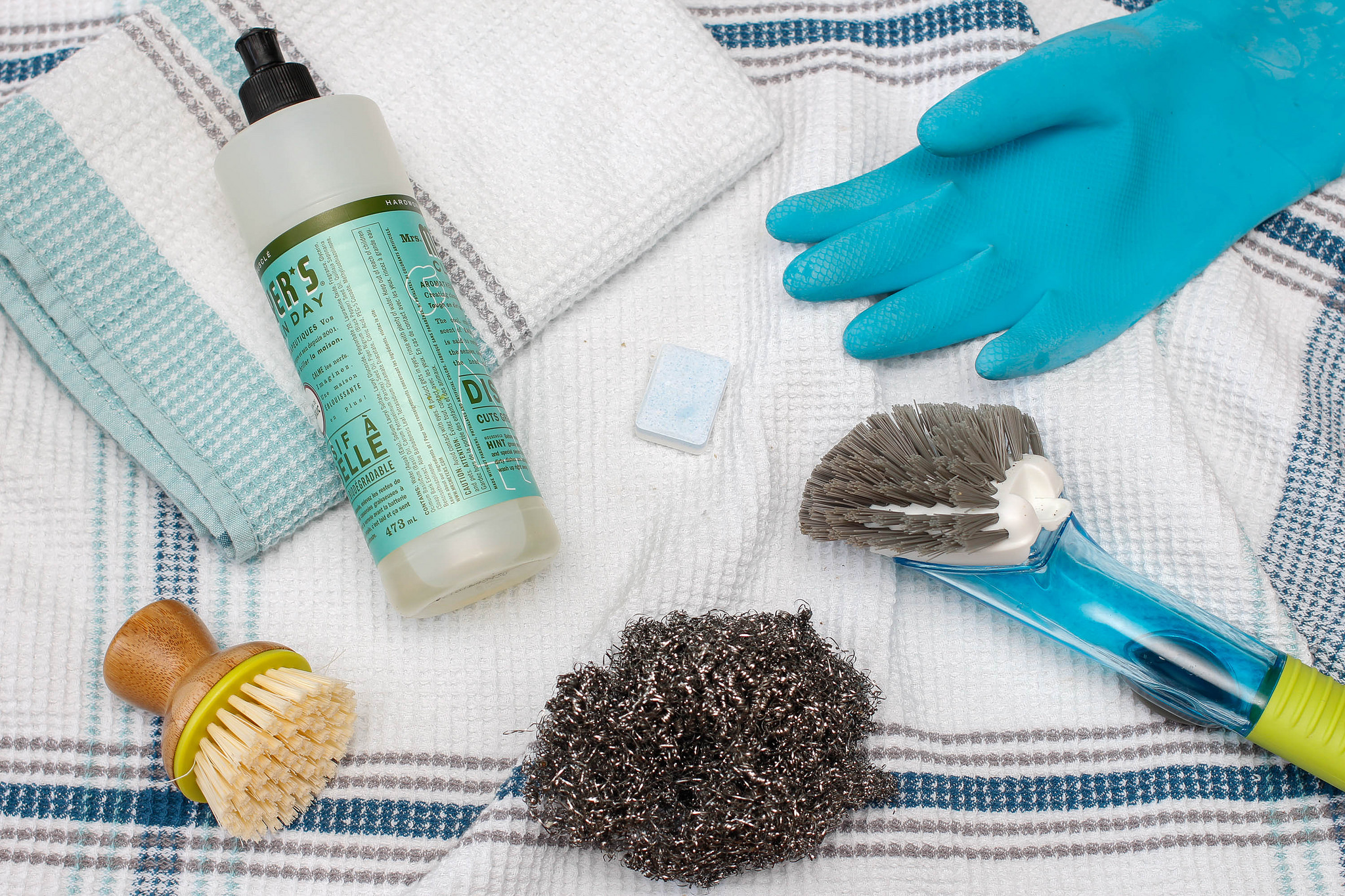
Of course, because spring is a time for new beginnings, cleaning and organization around the house are very popular this time of year. If you’re ready to tackle that monumental chore, read on for some helpful information. (And if you’re so tidy and organized throughout the year that spring cleaning isn’t a big chore for you, well, keep that to yourself! Unless you want your friends and neighbors to be jealous, that is.)
Now sit back, relax, and enjoy your sparkling clean home after a long winter inside.
Reposted with permission from the original author, Safeco Insurance®.
Top image by Flickr user Marco Verch used under Creative Commons Attribution-Sharealike 2.0 license. Image cropped and modified from original.
Source: SafeCo Agents

In most places in the United States, March 10, is Daylight Saving Time, when clocks are moved forward one hour. We want to remind you it’s also a great time to improve your family’s safety.
Be safe in your home
Health and safety agencies often use the approach of Daylight Saving Time to remind people to change the batteries in their smoke alarms. The American Red Cross suggests you test your smoke alarms and talk with your family about your fire escape plan. Be sure to practice the plan too – at least twice a year!
Daylight Saving is a great time to check your emergency preparedness kit to make sure it’s fully stocked with fresh supplies.
Carbon Monoxide a concern too
According to the Centers for Disease Control and Prevention, more than 400 people die annually in the US from carbon monoxide poisoning. The CDC recommends changing the batteries in your CO detectors when moving your clocks forward this Sunday.
The CDC says the most common symptoms of carbon monoxide poisoning include headache, dizziness, weakness, nausea, vomiting, chest pain and confusion. See the CDC’s site for more ways to prevent carbon monoxide exposure.
We hope these tips help and that you’ll consider sharing them with the people you care about so they can live safer lives too.
Reposted with permission from the original author, Safeco Insurance®.
Top image by Flickr user Marco Verch used under Creative Commons Attribution-Sharealike 2.0 license. Image cropped and modified from original.
Source: SafeCo Agents

February is the shortest month of the year (even in leap years, when it has 29 days instead of 28), but there’s no shortage of interesting facts about it. From weird holidays to astronomical oddities, this month has a bit of everything.
So with a nod to what February is perhaps best known for—Valentine’s Day on Feb. 14—here are 14 things we bet you didn’t know about the second month of the year.
Reposted with permission from the original author, Safeco Insurance®.
Top image by Flickr user Gage Skidmore used under Creative Commons Attribution-Sharealike 2.0 Generic license. Image cropped and modified from original.
Source: SafeCo Agents
Back in the early days of home security “systems,” around the end of World War I, it was common for homeowners to hire “door shakers”—night watchmen who would literally walk around and check doors to make sure they were locked. The most advanced product at the time, according to the Electronic Security Association, was an alarm system that used electromagnetic contacts on doors and windows and rang a bell if disturbed.
Things are just a little bit different now, thanks to expanding technology and decreasing costs. Regular homeowners now have access to the types of tools and systems that were previously attainable only by celebrities and the wealthy.
It’s especially important to be thinking about security with the increase of online shopping. More packages are being delivered on a regular basis and porch pirates can easily swoop in and snatch your new items.
If you’re into tech, you might even find that getting set up is fun. And if you’re into saving money, many companies offer insurance discounts for having specific home-monitoring systems, so check your policy or ask us for details.
Here’s a rundown of some of the options you have to protect your home, from all-in-one systems to separate components for do-it-yourselfers.
Full-service systems
There are a number of companies that offer full-service security systems with central monitoring—and the list is growing, with cable and wireless companies (Xfinity, AT&T, etc.) getting into the mix more prominently along with familiar names such as ADT and Brinks. These systems can feature video surveillance, remote access, smoke and carbon-monoxide detection, even medical alerts in case you have an emergency. Many now offer home-automation tools so you can control lighting, heating, cooling and other appliances when you’re away from home.
Most systems also can be configured to send you alerts via text message—so you know when the kids have gotten home from school safely, for example.
Full security systems such as these often have installation costs, along with equipment fees and monthly bills, of course. But if you don’t feel tech-savvy enough to install your own system, you don’t want to deal with the hassle, or you want something with central monitoring, a full system might be right for you.
Do-it-yourself options
If you’d rather set up your own system, many companies offer starter packs with a few components to get you going, allowing you to add what you need and exclude what you don’t. Some provide security features without much in the way of home automation, while others can serve as the hub for a connected home—it’s up to you.
You can create your own custom security system through the use of individual products, too, although you’ll want to ensure everything works together. Here are some of the options on that front:
Smart cameras and sensors
Installing cameras used to mean dealing with bulky equipment and yards of wiring. Today, cameras are unobtrusive, wireless and capable of much more than previous models. Many are combined with floodlights or doorbells and use motion activation, saving data-storage space and battery power by recording only when there’s a reason to record. Some can send live feeds to you remotely when motion is detected, too. One startup even has motion sensors that don’t use infrared light—instead, they look for disturbances in the wireless signals that bounce around throughout your home.
Keyless entry systems
Even items as basic as the locks on your doors have undergone revolutionary changes. You might not think you need an entry system that relies on a code, or a smartphone, but they can come in very handy at times. Say, for example, you need to let a trusted repairman into your home while you’re away, but you don’t want to risk hiding a key outside. With a keyless system (or a hybrid version that uses both keys and codes), you simply provide a temporary code for the repairman to use.
Home automation
Have you ever forgotten to leave a light on while you’re away? Burglars thrive in the dark, and lights both inside and outside your home, along with noise from TVs, radios, etc., can be powerful deterrents. Thankfully, you can have more control than ever—from anywhere in the world. And just like some professionally installed systems or do-it-yourself starter packages, many individual components tie in home-automation features as well.
Of course, there are still some classic tools and techniques you can use to deter crime, no matter how tech-savvy you are: Don’t broadcast on social media when you’re going to be on vacation or away for the night. Keep valuables out of plain sight. Make sure your windows and doors are locked. And don’t forget the security system that will love you back—a watchdog!
Reposted with permission from the original author, Safeco Insurance®.
Top image by Flickr user Mike Mozart used under Creative Commons Attribution-Sharealike 2.0 license. Image cropped and modified from original.
Source: SafeCo Agents
Med Pay? PIP? Dec pages? Insurance terms, explained
With all kinds of different coverages for all kinds of different needs, insurance can be very confusing. And to make it even more challenging, at times it probably seems like insurance websites and policy documents are written in a completely foreign language.
Of course, that’s why we recommend working with an independent agent—someone who is on your side during the process and who can explain everything you need to know.
Even if you do work with an independent agent, however, it’s good to have a little basic knowledge about insurance. Below are definitions for some common terms that will help you understand your coverage a little better.
General insurance terms
Auto insurance terms
Homeowners insurance terms
If something isn’t clear when you’re buying or considering insurance, don’t be afraid to ask questions! Your independent agent is there to help you get the coverage you need—and make sure you understand it, too.
Reposted with permission from the original author, Safeco Insurance®.
Top image by Flickr user Isaac Bowen used under Creative Commons Attribution-Sharealike 2.0 license. Image cropped and modified from original.
Source: SafeCo Agents

Whether it’s a gift from someone special or a gift to yourself, a new piece of jewelry can bring some sparkle to your life.
However, many people who find themselves victimized by burglars—or worse, a fire or some other disaster—also find out too late that they didn’t have enough insurance to replace their jewelry.
Here’s why: Homeowners policies typically only cover valuable items such as jewelry and watches up to a specific amount. For example, if your limit is $5,000, but you have a $15,000 diamond ring, you’d be on the hook for an extra $10,000 in order to replace it. There might be other issues as well, such as whether your policy covers each individual piece of jewelry at a set amount, or provides coverage for your collection as a whole.
This all might sound complicated, but it’s really not—especially when you work with an independent agent who can explain your options and make sure you get the right coverage. No matter how you buy your insurance, though, below are a few things you’ll want to consider.
Whatever you choose to do, remember that you play an important role in keeping your jewelry protected, too: Be sure to store it securely, whether in a safe at home or a safe-deposit box at a different location. After all, having the right coverage is great—but it’s even better when those special pieces stay with you and your family for years to come.
Reposted with permission from the original author, Safeco Insurance®.
Top image by Flickr user Kai used under Creative Commons Attribution-Sharealike 2.0 license. Image cropped and modified from original.
Source: SafeCo Agents

Drafty windows. Leaky faucets. Dirty air filters.
All are common issues in homes across the country, and they’re not just annoying—they also cost you money in decreased energy efficiency and higher bills.
The U.S. Environmental Protection Agency’s Energy Star program estimates that homeowners can save 5% to 30% on annual energy costs by incorporating technologies to make their homes operate more efficiently. Think that’s not a big deal? Based on typical energy costs, it could mean savings ranging from $105 to $627, according to Energy Star.
That sounds pretty good to us. And even if you’re not the handiest person when it comes to home maintenance, checking your energy efficiency is something you can easily do yourself. (Although if you want to get the biggest bang for your buck, Energy Star recommends a professional home-energy audit.)
Just follow the tips below—you’ll see where your home loses energy, how efficient your heating and cooling systems are, and ways you can decrease your electricity use.
First, just for reference, here’s how the average energy bill breaks down:
Where’s the air?
Air commonly leaks from homes through gaps around baseboards, electrical outlets and windows or doors—if you feel like you’re running the heat all the time to no avail, that warm air might be escaping. Stopping these drafts can save up to 30 percent of your yearly energy costs (it will keep the cool air inside during the summer, too). Be sure to check your home’s exterior as well, paying particular attention to areas where two different building materials meet. When you find leaks, seal them with caulk or weather stripping.
Don’t wait to insulate
Check to see if you have enough insulation in your ceiling and walls. The attic door or hatch should be insulated and close tightly. For walls, make a small hole in a closet or other inconspicuous place and probe into the wall with a screwdriver—if the area isn’t completely filled with insulation, you’re probably losing heat in the winter and cool air in the summer.
Check your furnace and AC systems
Heating and cooling systems that work correctly and efficiently can save you frustration as well as money. Make sure ducts and pipes are insulated properly, and have your equipment checked and cleaned by a professional each year. Filters for forced-air furnaces should be replaced as soon as they are dirty, or every 30 to 60 days.
Let there be (efficient) light
More than half of the light sockets in the U.S. still contain an inefficient bulb, according to Energy Star—and the average home has about 70 sockets! LED bulbs use 90% energy versus regular bulbs, and they last a lot longer, too. Many will still be going after 20 years.
See how your home stacks up
Energy Star also offers a Home Energy Yardstick that allows you to compare your home’s efficiency to similar homes across the country and get advice on how to improve. It takes just five minutes. Learn more here.
Anyone can take steps to save energy—whether you’re a hardcore do-it-yourselfer or someone simply tired of sending a big check to the power company every month. Just don’t forget what might be the most important thing of all after you finish your audit and make your home more efficient: Deciding how to spend the money you’ll save!
Reposted with permission from the original author, Safeco Insurance®.
Top image by Flickr user Marco Verch used under Creative Commons Attribution-Sharealike 2.0 license. Image cropped and modified from original.
Source: SafeCo Agents
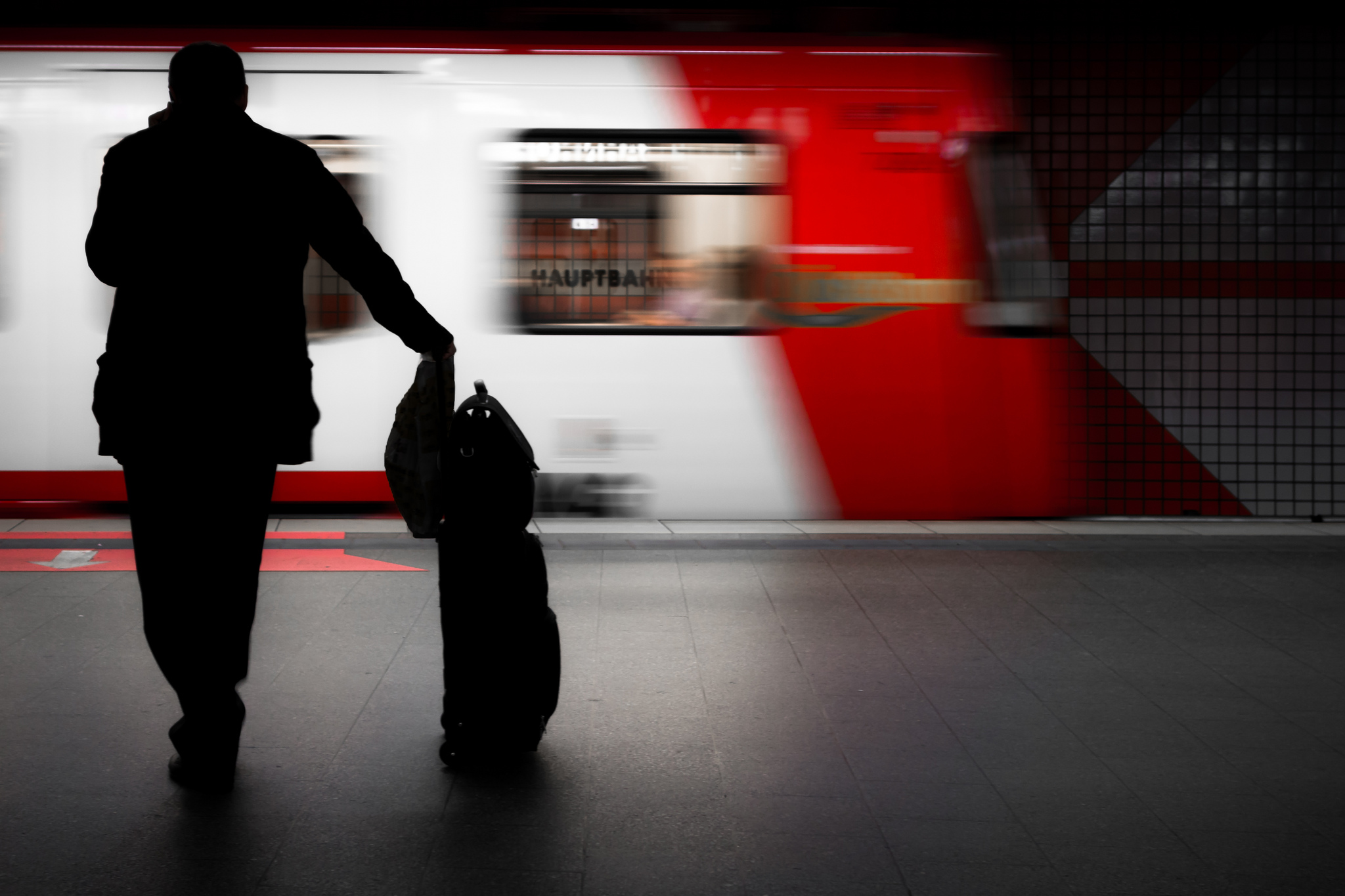
Nobody really enjoys traveling during the holidays, do they? OK, you might if you’re going on vacation, or you’re visiting family in Hawaii or something. But for everyone else, it’s a slog—whether you’re battling airport crowds the Wednesday before Thanksgiving or fighting through highway traffic on Christmas Eve, getting anywhere can be a massive hassle.
And while this might not make us any friends, we have to say it: Part of the blame falls on you. Not because you’re a bad person, or a bad driver, or a bad airline passenger, but because everyone (including you—and us, for that matter) makes unintentional mistakes that add to the stress of holiday travel.
Wouldn’t it be nice to avoid that this year? This list of what to do, and what not to do, can help make your trip a lot more pleasant.
DON’T wait too long to buy your airfare. Some people think that waiting to buy tickets until just before the holidays will save them money—but according to Skyscanner.com, it’s the opposite. The site’s data indicates that the best time to buy a Christmas flight is early October through mid-November. Waiting until the week before Christmas will cost about 9% more on average.
DO travel on non-peak days. Everybody travels on the Wednesday before Thanksgiving and comes home the Sunday after the holiday. What if you left on Tuesday and came home on Saturday? The airport is likely to be more relaxed, and traffic should be a lot lighter. If your schedule is flexible, take advantage of it. You could even save money on flights, depending on when you book.
DON’T fly with a ton of gifts. The lighter you can travel, the less stress you’ll have. Do you really want to worry about finding space in the overhead bins for all your stuff, or leave your gifts in the hands of the airline’s baggage handlers? Try shipping gifts ahead of time, buying them once you arrive at your destination, or even buying them online and having them sent directly to the recipient. Remember, if you do have to travel with gifts, security might want to check them out—so don’t wrap them.
DO make sure your car is ready for winter travel. This is a good idea even if you’re not taking a road trip. Give your car a thorough check-up, from wipers to fluids to tires. And make sure you’ve got an emergency kit in the car, with safety gear, jumper cables, flares, food and water, a flashlight and blankets. (For more tips, see our post on safe winter driving here.)
DON’T forget to reserve airport parking. Even private lots around airports fill up at busy times, so make a reservation as soon as you know your flight dates. Better yet, have someone give you a ride to and from the airport, take a taxi or use a ride-share company (although those last two options might have limited availability during heavy travel times).
DO consider travel insurance. Holiday travel can be costly, especially if the whole family is going—that could mean several airline tickets and a couple of hotel rooms for multiple nights. It also could mean you’d lose that money if something were to happen that prevents you from going, such as a sudden illness or an accident. Travel insurance typically isn’t that expensive, especially compared to the cost of a big trip.
DON’T be caught off guard when things go wrong, because odds are, something will. What would you do if your flight got cancelled unexpectedly? “Wait in line at the airport counter with everyone else” doesn’t sound so great. What if you got stuck in the snow on the side of the road? (“I’d pull out my emergency kit,” is the right answer there.) Think ahead about your options and be prepared—for bad weather, road closures and more.
If you do the things you should do, and avoid the things you shouldn’t, you’ll be in great shape this season. You’ll feel calm and confident. People will look at you and think, “Why can’t I be so relaxed when I travel?” And most important, you’ll be able to focus on what the holidays are all about—enjoying time with friends and family.
Reposted with permission from the original author, Safeco Insurance®.
Top image by Flickr user Marco Nürnberger used under Creative Commons Attribution-Sharealike 2.0 license. Image cropped and modified from original.
Source: SafeCo Agents

Millions of Americans will be traveling this holiday season, and if it’s anything like previous years, a lot of that travel will be on the road. Last year, AAA estimated that more than 100 million Americans were planning a trip of more than 50 miles during the holidays—and that was just between Dec. 23 and Jan. 1.
Of course, winter weather creates a unique set of challenges on local roadways, too. So even if you’re not headed out of town, these safety tips can help you make it through the season safely.
Make sure your car is ready
Before winter arrives, and before any long trip, give your car a thorough check-up. Do wipers need to be replaced? Are your fluid levels where they should be? How’s the radiator and cooling system?
If you live in an area (or visit one often) where temperatures regularly drop below 45 degrees, it’s a good idea to get a set of winter tires—they’re better suited for the cold than all-season tires, because they’re designed to provide the best traction and handling in ice and snow. Whatever you’re driving on, however, make sure your tires are inflated properly and that they have enough tread.
Your car should have an emergency kit, too. Pack it with jumper cables, blankets, a first-aid kit, flares, food and water, a flashlight and other safety gear. A shovel and cat litter or sand are nice to have as well; they can provide traction should you get stuck.
Before you leave
If you’re going on a trip, make sure you check weather conditions along your route and take printed maps—you might not always have cell reception. Let someone know your itinerary, so if you don’t arrive on time, officials know where to look for you.
Every time you drive somewhere, even if it’s just a quick trip to the store, clear snow and ice off your car; it can be a hazard to other drivers. And don’t forget to clear your headlights and other lights.
When you’re on the road
Are roads snowy or icy? Take it slow. Take it slow. Take it slow. Give yourself extra time to get to your destination, and make sure you leave extra room between your vehicle and others. Watch for ice patches on bridges, overpasses and shady spots. And remember, having four-wheel or all-wheel drive does not mean your car will stop (or steer) better on ice.
If you’re caught in a storm that seems like it’s too much for you to handle, seek refuge as soon as you can. Sometimes it’s best not to drive in snow and ice at all—if it looks bad out there, stay home if possible.
If your vehicle becomes disabled or you get in an accident
Car trouble and accidents affect thousands of people every winter. If your vehicle is disabled, be sure to stay with it. Run your engine and heater for short intervals, and open one of your windows slightly to prevent carbon monoxide build-up. Light two flares (remember that vehicle emergency kit? Now’s the time to use it) and place one a safe distance from both the front and rear of your vehicle. Note your location with mileposts, exit numbers or cross streets and call the authorities or a tow truck.
If you’re in a crash, be careful—the aftermath of a car accident can be a dangerous, especially in winter when visibility might be reduced and conditions might be slick. Check everyone involved for injuries and call 911 if necessary. After minor accidents, have everyone pull well off the road. Put out flares and turn on your hazard lights.
When you can’t move your car, stay inside unless traffic is completely clear. It’s far better for another vehicle to hit your car, even with you in it, than to hit you directly.
Wherever you may be headed this winter, we hope you enjoy the season with friends and family. Here’s to healthy and happy holidays!
Reposted with permission from the original author, Safeco Insurance®.
Top image by Flickr user UnknownNet Photography used under Creative Commons Attribution-Sharealike 2.0 license. Image cropped and modified from original.
Source: SafeCo Agents
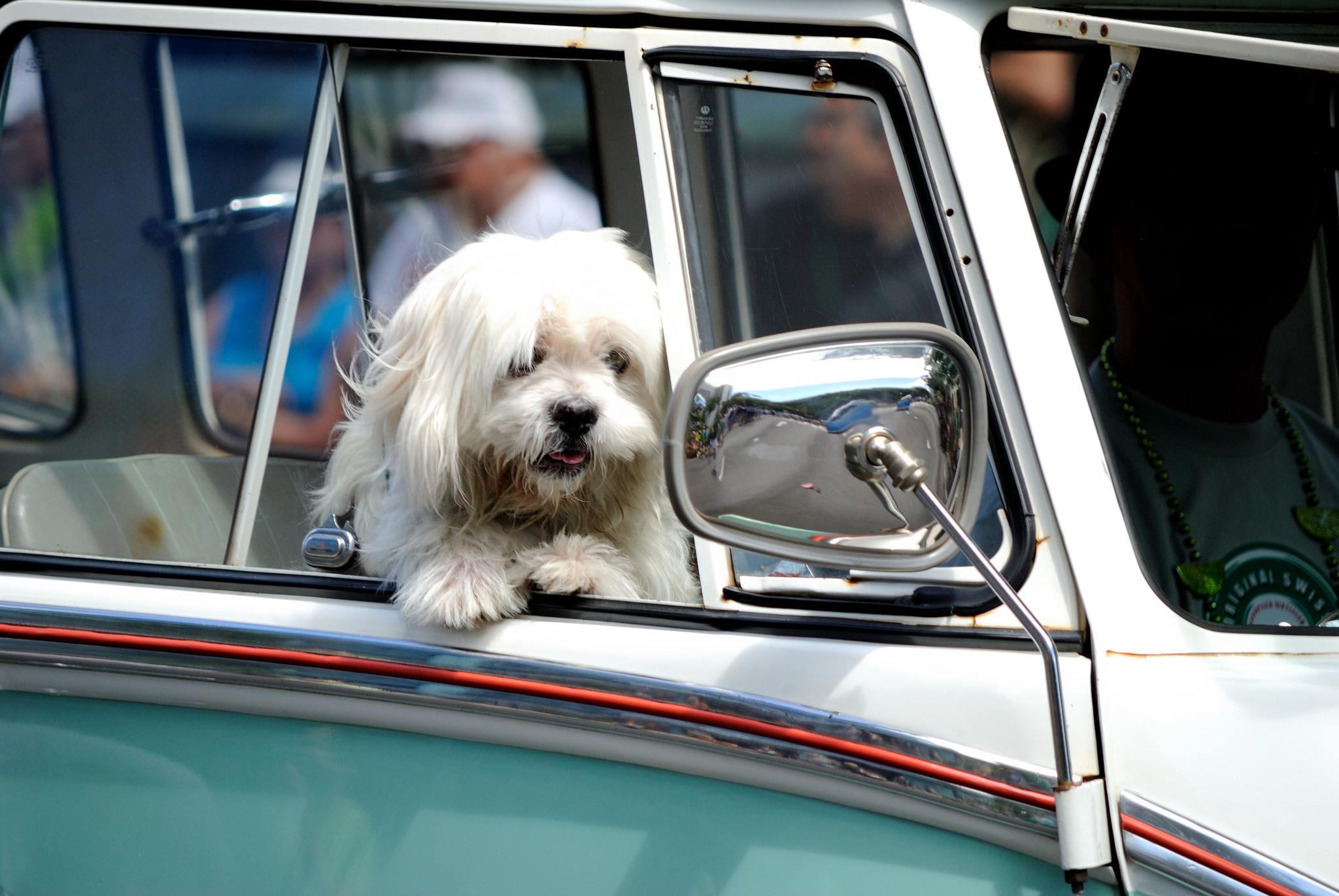
You’re not just imagining it—a lot of people are traveling with their pets these days.
According to a TripAdvisor survey of more than 1,000 travelers, 53% of those responding said they take their pets on vacation, and 52% stay only at places that welcome pets. (For some people, the “welcome” part doesn’t matter: 20% admitted they have snuck their pet into a hotel room.)
Of course, you’re going on vacation because you want to get away, so it’s a pretty safe bet that you’ll be happy. But if you take your pet, how can you make sure their experience is a good one, too? These tips from the Humane Society and American Society for the Prevention of Cruelty to Animals (ASPCA) can help.
Find the right place to stay Lodging options for pet owners continue to expand; many hotels now allow dogs and other pets, and individuals renting out their homes and apartments through services like VRBO and Airbnb often do as well.
Some properties charge an additional fee or have restrictions based on size, so you’ll want to check all of the rules before you book—and you’ll want to alert the hotel or owner that you are bringing your pet along. A pet-friendly place might not be so friendly if you surprise them.
Consider your activities If you’re planning to do a bunch of things on vacation that are not pet-friendly, that means your pet would be cooped up in the room while you’re gone. Some pets are OK with that, while others definitely aren’t. If you aren’t going to be able to spend a lot of time with your pet, it might be best to just leave them at home.
While you’re planning your trip, research activities for both you and your pet. Where are the local dog parks? Are there restaurants that allow pets? What kinds of pet-sitting services are available for the times when you can’t be together?
Travel safely No matter how you’re traveling with your pet, you need to take certain steps to ensure their comfort and safety—along with your own.
Have the right ID and documents The ASPCA notes that you should have your pet microchipped no matter where you’re headed or how you’re going to travel—that way, they can be easily identified if you’re separated. If your pet’s tag doesn’t have your cell phone number, get one that does. It also can be handy to have vaccination records and other details in case your pet needs emergency care while you’re on vacation. (Our pet insurance offering can help minimize the bills for that care, too. Learn more here.)
You’ve arrived. Now what? Once you’ve gotten your pet to your destination, a few comforts from home can make all the difference. Pack some of their favorite toys, or the pad they sleep on every night. And don’t forget what might be the most important thing of all—lots and lots of treats!
Reposted with permission from the original author, Safeco Insurance®.
Top image by Flickr user Daniel Ramirez used under Creative Commons Attribution-Sharealike 2.0 license. Image cropped and modified from original.
Source: SafeCo Agents

Owning a home is usually a great experience. But it can also be a hassle, especially when unexpected issues pop up—whether you have a minor breakdown or a major catastrophe, it’s almost certainly going to require time and money to fix.
In many instances, however, those “unexpected” issues shouldn’t really be a surprise at all, because they’re often caused by a lack of maintenance or other oversights by homeowners. And not just new homeowners, either: It’s common for people who have been in a home for years to neglect even some of the most basic tasks that can prevent problems down the road.
Here are five mistakes we often see homeowners make—and tips from experts to help you avoid them.
Your home is one of the biggest investments you’ll ever make, so it pays to be diligent about caring for it. Keep your eyes open around the house. Don’t hesitate to get out the tools, or call a professional if needed. Remember, prevention is the best medicine—and that old saying holds true just as much for your home’s health as it does for yours.
Reposted with permission from the original author, Safeco Insurance®.
Top image by Flickr user John Lloyd used under Creative Commons Attribution-Sharealike 2.0 license. Image cropped and modified from original.
Source: SafeCo Agents
Online data breaches are just an unfortunate fact of life now—as the New York Times put it, you might as well assume that your personal information has been taken, because cyberattacks happen all the time.
That’s why we recommend Safeco’s identity-recovery coverage, available for just $1 a month for our homeowners customers.
It’s best if you don’t have to use that coverage—but many people don’t take even simple steps that would make it harder for thieves to gain access to banking details, Social Security numbers and other sensitive information. And even those who have been victimized previously can find themselves falling into old habits.
Fortunately, there are several things you can do, quickly and easily, to keep your data more secure. And while a really determined and skilled hacker could still find a way in, putting up a few roadblocks might encourage them to move on to a different target, similar to a burglar choosing an obviously unoccupied home instead of one with the lights on.
Here are five things experts recommend to better protect your personal information:
Of course, nothing can completely protect you from all risk online. Even the founder of LifeLock, a data-security company, famously had his identity stolen multiple times. (To be fair, he did use his actual Social Security number in an advertising campaign, which in hindsight wasn’t the best move.) But if you use the steps above, you’ll be ahead of most people.
Reposted with permission from the original author, Safeco Insurance®.
Top image by Flickr user GotCredit used under Creative Commons Attribution-Sharealike 2.0 license. Image cropped and modified from original.
Source: SafeCo Agents