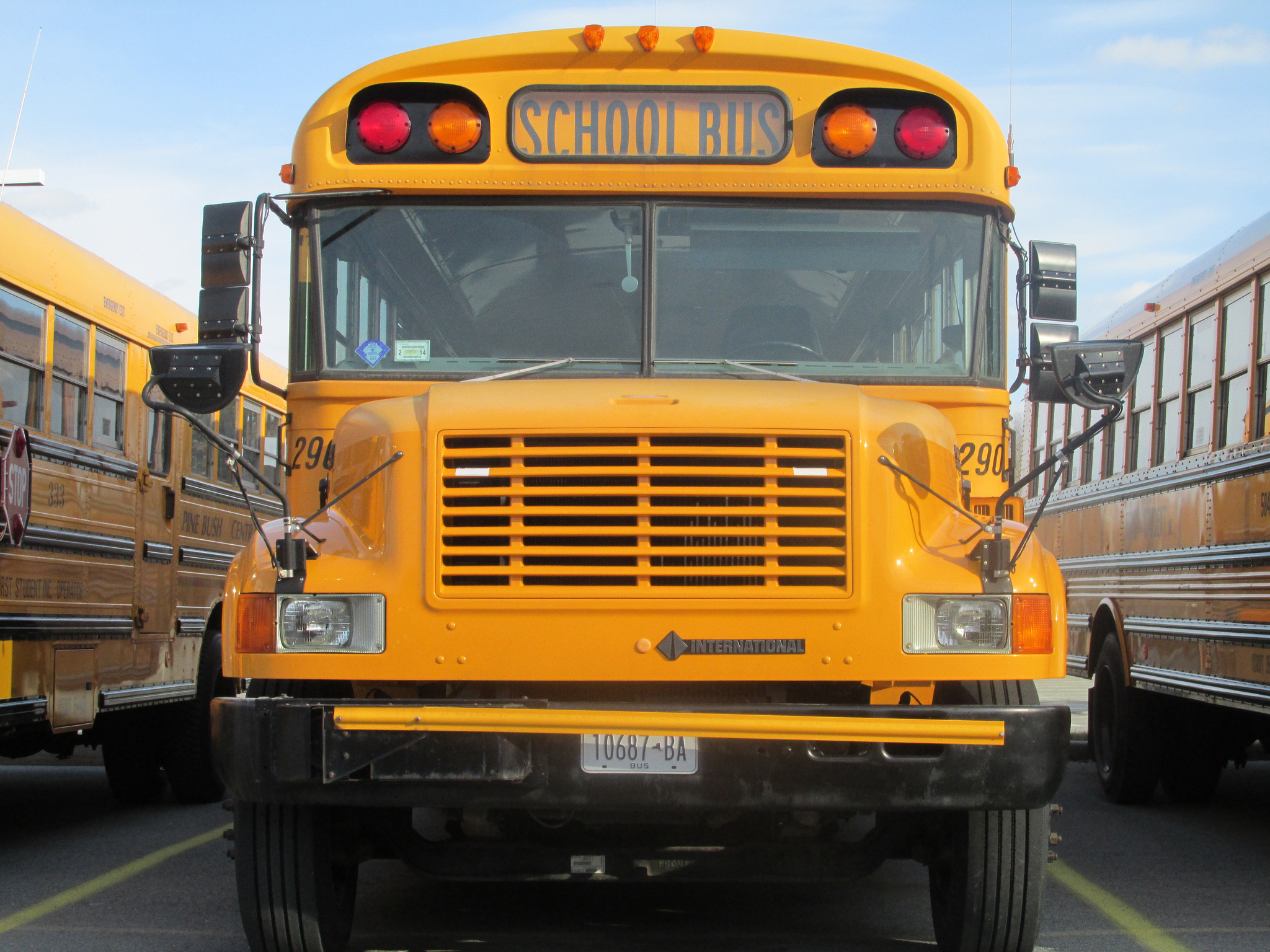
The end of summer means many things, such as cooler weather, shorter days and … the start of football is here!
But most important, it means kids are headed back to school. And that means we all should be extra careful on the roads, in school zones and around buses. Don’t forget to watch for bikes, too! Here are some tips for both parents and kids to make sure everyone stays safe.
Use caution on the roads
Teach kids to be safe while walking …
Just a few minutes spent explaining some basic safety rules to your child can make a world of difference when they’re walking to or from school.
… and on their bikes
This is all basic stuff — but it’s always good to be reminded. Take it slow, and let’s have a happy and safe school year!
Reposted with permission from the original author, Safeco Insurance®.
Top image by Flickr user ThoseGuys119 used under Creative Commons Attribution-Sharealike 2.0 license. Image cropped and modified from original.
Source: SafeCo Agents

For many of our neighbors, summer means more than sunshine and vacations. It also means working in the yard – often with tools that can be dangerous if not used properly.
Each year about 400,000 people are treated for injuries from lawn and garden tools, according to the U.S. Consumer Product Safety Commission (CPSC). Don’t let your landscaping efforts land you in the hospital! Follow these handy safety tips.
Tool safety tips from the U.S. CPSC
Lawn Chemical Safety Tips from Texas A&M University
From all of us, here’s to keeping both you and your lawn healthy this summer!
Top image by Flickr user breakmate used under Creative Commons Attribution-Sharealike 2.0 license. Image cropped and modified from original.
Source: SafeCo Agents

Did you know that hundreds of thousands of people in the United States commute to work by bicycle, according to the U.S. Census Bureau? That’s a lot of cars off the road each day, a lot of gasoline saved and a ton of calories burned.
Maybe you’re a bicycle commuter already — or maybe you want to give it a try. These tips from the League of American Bicyclists and other organizations will help you prepare for the challenges you’ll face on your way to work. (We’ve included a few tips for drivers, too.)
Bonus tips for drivers: Stay on the lookout for cyclists. When you see them, be patient — they have a right to the road, too. If you park on the street, check behind you before opening doors. And, always remember that your significant size and speed advantage can be deadly in an accident.
Cars and bicycles can, in fact, peacefully coexist on the roads. All it takes is a little preparation and a lot of awareness, along with some understanding thrown in for good measure.
If you’re biking to work, we may be able to help you get a special discount on your car insurance for driving your vehicle less. Call today for details!
Reposted with permission from the original author, Safeco Insurance®.
Top image by Flickr user Richard Masoner used under Creative Commons Attribution-Sharealike 2.0 license. Image cropped and modified from original.
Source: SafeCo Agents
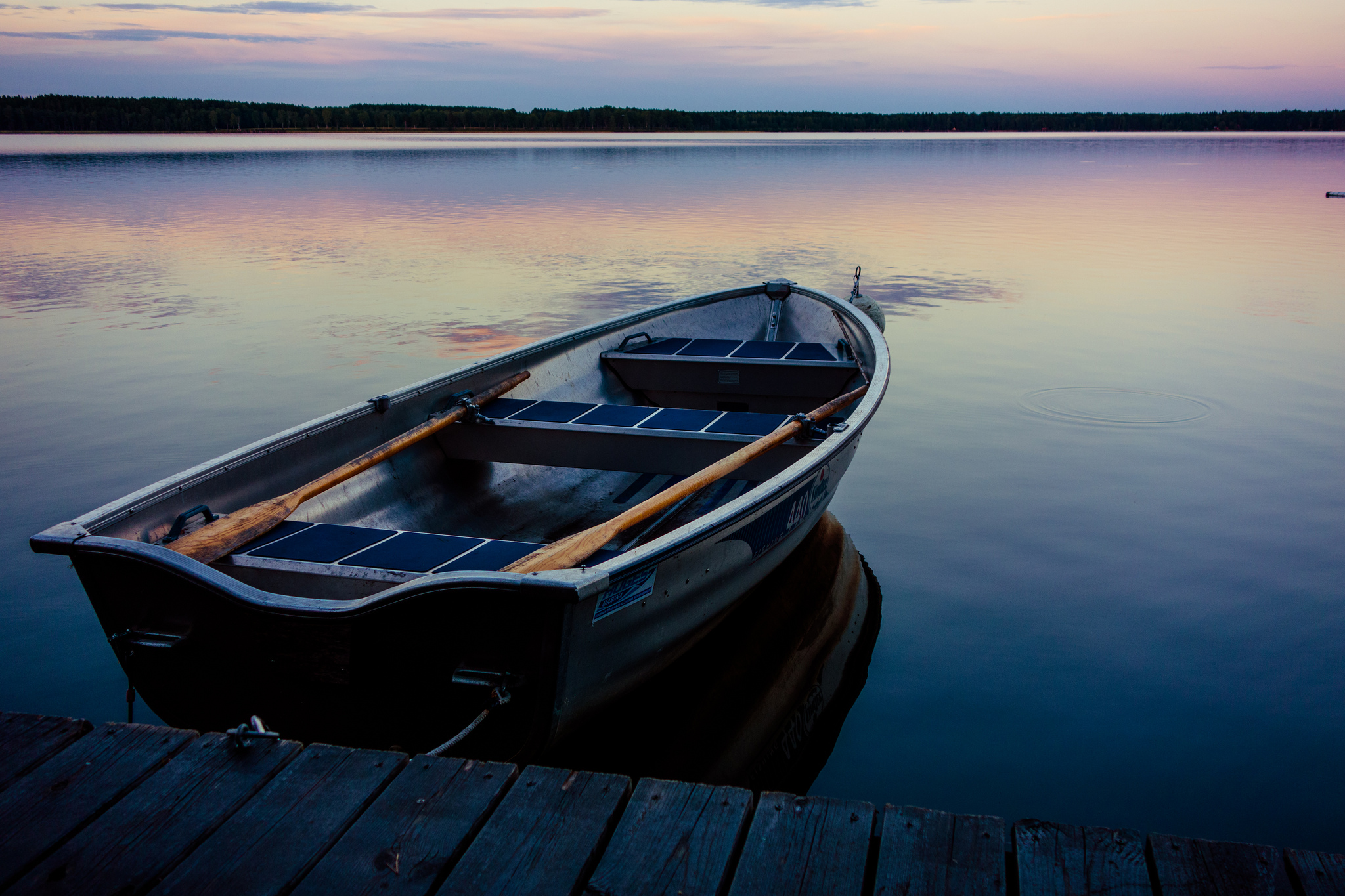
If you own a boat (or better yet, as the joke goes, you know someone with a boat), you’ve probably thought about spending some evenings on the water — especially in the summertime.
It’s a great thought, of course. But, when you’re boating after dark, you need to think about staying safe, even as you enjoy the stillness of the water and the starry sky.
Here are seven things to keep in mind, both before you hit the water and once you’re out cruising around:
While these tips are important, there’s nothing like experience to help ensure a safe voyage. If you’re a new boater or just in an unfamiliar vessel, you may want to put in more hours during the day before tackling an area at night. Even then, start with short evening outings and work your way up to a moonlight ride. And don’t forget to turn on the lights at the dock before you go!
Reposted with permission from the original author, Safeco Insurance®.
Top image by Flickr user Florian Plag used under Creative Commons Attribution-Sharealike 2.0 license. Image cropped and modified from original.
Source: SafeCo Agents

It’s a bit of a tradition for many fathers to go on and on about the knowledge they’ve gained over the years, whether it’s about history, family stories, financial wisdom, or just plain random facts — like how that building over there used to be the old hardware store.
This isn’t a bad thing, of course; it’s part of what makes dads so great. But if you’ve ever wanted to turn the tables on him, now’s your chance. Use these facts and figures about Father’s Day — and about dads in general — to show off some arcane knowledge of your own!
The history of Father’s Day
There are a couple of different origin stories for Father’s Day, and both go back more than 100 years. According to several sources, the first observance was in 1908 in Fairmont, West Virginia, where a woman suggested that her church honor all the fathers who were killed in a mining accident the year before. However, the event never spread outside the city.
A year later, in Spokane, Washington, Sonora Dodd heard a Mother’s Day sermon and thought there should be a day for fathers as well. Spokane celebrated its first Father’s Day in 1910 on the third Sunday of June.
It wasn’t until 1966, though, that the day was recognized with a presidential proclamation. In 1972, President Nixon signed it into law — nearly 60 years after Mother’s Day became official.
How much do we spend on dad?
In 2017, the National Retail Federation noted, Americans were expected to spend $15.5 billion on gifts for Father’s Day. That’s a significant increase over about 10 years ago, when we spent “only” about $9 billion.
What does he want to do for the holiday?
Not much, according to a Zagat survey: More than half of fathers said they just wanted to relax with the family. (And 14% said the best gift would be leaving them completely alone!) So if you’re planning to take your dad out for Father’s Day, you might want to think again.
Do you know how much your dad is worth?
We’re not talking about his job, or about the value of being a good dad (you can’t put a price on that, after all). But you can put a price on the work he does around the house. Insure.com does that each year, and in 2017, the average dad’s household duties were worth more than $26,000 (based on wage data for those jobs from the Bureau of Labor Statistics). The highest-value work? Cooking (worth about $1,800 a year), chauffeuring kids around (about $7,000) and helping with homework (more than $11,000).
The most prolific father of all time
However many kids your father has, we’re willing to bet it’s nowhere close to the record. Genghis Khan, founder of the Mongol Empire, is said to have fathered as many as 2,000 children — according to genetic data, he is an ancestor of 0.5% of the entire world’s population.
Too bad Father’s Day wasn’t celebrated until about 700 years after he died.
Whether a dad knows it all, or just thinks he knows it all, Father’s Day is still his day. So, enjoy the barbecue. Tell some old stories. Share some laughs and celebrate. Because he’s more than just a dad — he’s your dad.
Reposted with permission from the original author, Safeco Insurance®.
Top image by Flickr user Virginia State Parks used under Creative Commons Attribution-Sharealike 2.0 license. Image cropped and modified from original.
Source: SafeCo Agents

Summer’s almost here. The sun will come out of hiding, and people will, too.
As crowds swell at the beach, in parks, and even on roadways, it all makes for some challenging driving conditions. More people are out and about, whether on foot, bike, or skateboard, or by car, motorcycle, or RV, increasing the risk of an accident. And, the summer heat isn’t exactly kind to your vehicle.
Still, there’s no stopping the allure of a summer drive. To help keep yours safe, keep your attention on the road and on your surroundings, as well as on these safety tips.
Summertime Safety Behind the Wheel
Just like winter, summer has its own set of seasonal hazards that require your complete attention as a driver. Here are some to be particularly mindful of:
Road Trip Safety
A road trip with family and friends can make a memorable summer for both the right and the wrong reasons. Make it the right reasons with some careful planning and driving. There will be plenty of time for fun once you reach the campground, resort, or cabin.
There’s no better time to be on the road than when the sky’s clear and the sun’s shining. We wish you safe travels and a wonderful summer!
Reposted with permission from the original author, Safeco Insurance®.
Top image by Flickr user Garry Knight used under Creative Commons Attribution Generic 2.0 license. Image cropped and modified from original.
Source: SafeCo Agents
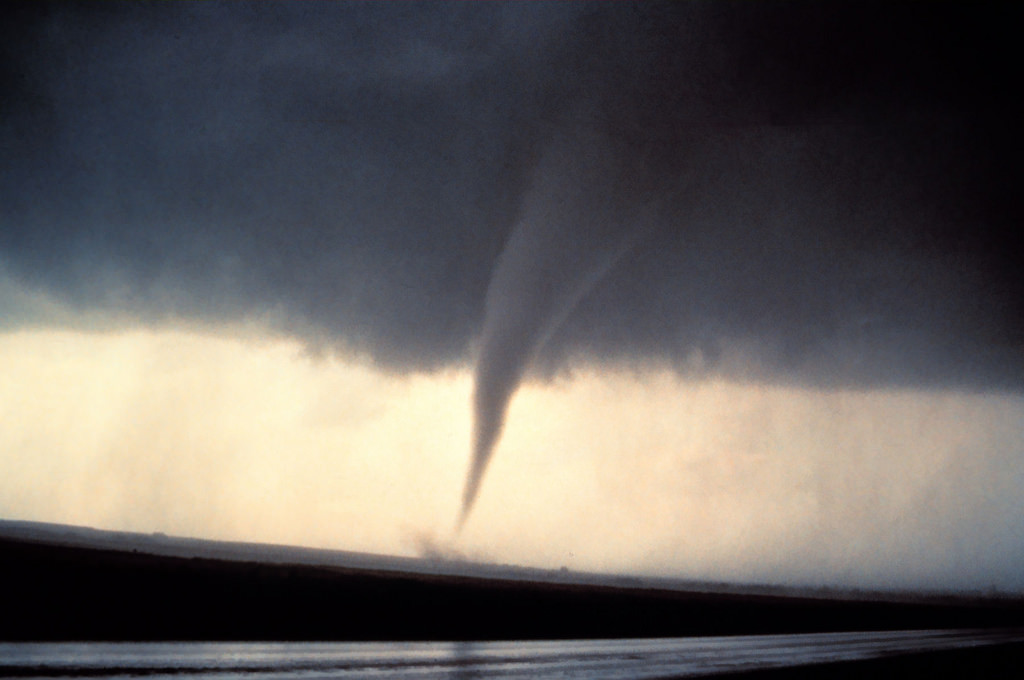
What to Do If You’re Caught in Your Car During a Tornado
Tornadoes are the most violent storms anywhere, and about 1,200 touch ground in the United States every year, according to the National Weather Service (NWS).
They’re as unpredictable as they are violent, most often occurring in the early spring on the Gulf Coast, in May and June on the southern plains, and in June and July in the upper Midwest. But, tornadoes can occur any time of year and have been recorded in every state, says the NWS.
If a twister forms when you’re traveling through an unfamiliar region, or even while driving near home, you don’t have much time to make smart decisions that can help save your life. The NWS and Red Cross recommend these actions if a tornado catches you while you’re on the go:
Be Alert and Prepared
If You’re Caught Outside or Driving
1.Don’t wait to see a funnel once you hear a Tornado Warning.
Don’t try to outrun a tornado, because they can move across the landscape at 60 mph.
Always remember, whenever you encounter severe weather that a violent storm can escalate and travel quickly. If you’re at home, be ready to put your emergency plan into place, if you can – practicing family drills and setting aside supplies ahead of time will help. If not, take the most appropriate safety measures possible, such as the ones shared above.
Reposted with permission from the original author, Safeco Insurance®.
Top image by Flickr user NOAA Photo Library, NOAA Central Library; OAR/ERL/National Severe Storms Laboratory (NSSL) used under Creative Commons Attribution-Sharealike 2.0 license. Image cropped and modified from original.
Source: SafeCo Agents
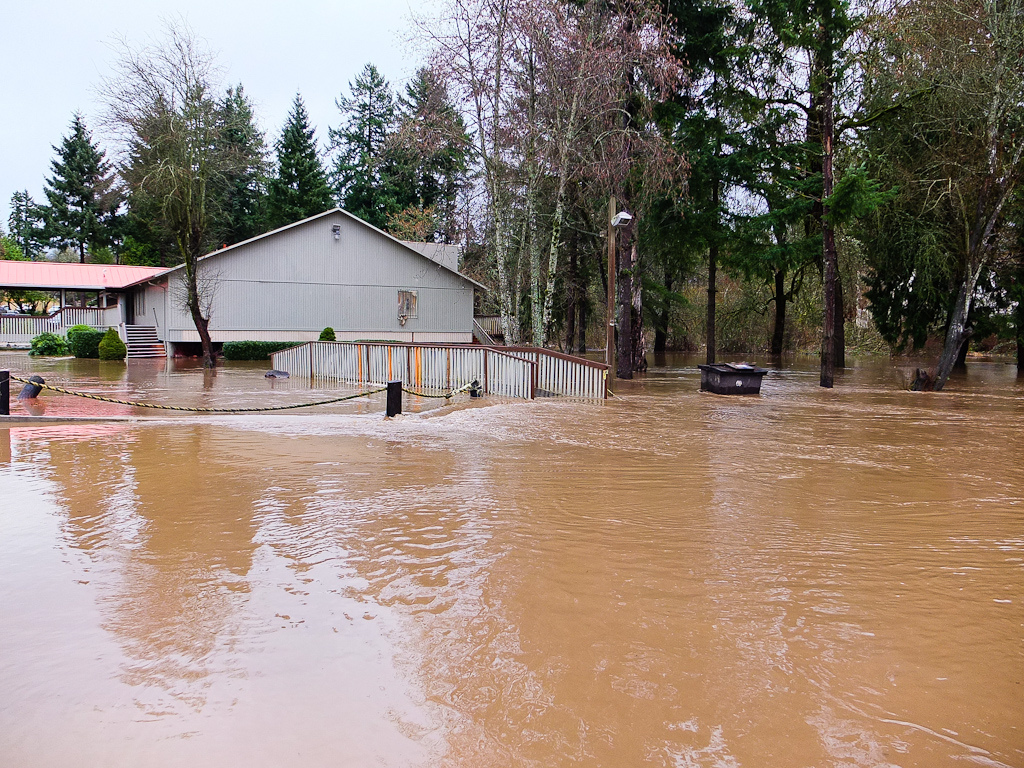
Almost anywhere it rains, it can flood. Even if you live in an area of that you think isn’t at risk, preparation is just as critical as with other types of emergencies.
Before we get into how you can prevent, limit or react to flooding, it’s important to note that flood damage is typically not covered by your homeowners or renters insurance. There are specialized flood insurance programs that we can discuss with you. Contact us for more information.
Preparing for a flood
The Federal Emergency Management Agency recommends a number of steps to stay safe during emergencies and limit damage from flooding. You should:
Acting during a flood
If a flood is likely in your area, quick action may be necessary to protect your family and property. You should:
If you have evacuated your home, do not return until authorities tell you it is safe.
Coping after a flood
Flooding can cause emotional stress along with physical hazards, so be mindful of the well-being of yourself and your family during the aftermath.
The Red Cross has a free book available called “Repairing Your Flooded Home,” which contains useful information as you clean up. It’s available at www.redcross.org. Of course, don’t hesitate to contact us as well — we’re ready to help!
Flooding is one of the most common hazards in the U.S. Being prepared for any emergency is crucial for the safety of you and your family. Don’t be caught off guard!
Reposted with permission from the original author, Safeco Insurance®.
Top image by Flickr user Tom Good used under Creative Commons Attribution-Sharealike 2.0 license. Image cropped and modified from original.
Source: SafeCo Agents

As a homeowner, one of the most important aspects of your home isn’t something you use daily. And it isn’t something flashy you show off to friends. It’s your homeowners insurance policy, and it protects you in more ways than you may think, helping you rebuild your home or repair damage that results from a covered loss.
But, that’s not all. It can also help cover the costs of a lawsuit, help you pay for somewhere else to live when your home is uninhabitable and much more.
Home insurance is typically very comprehensive, but all policies have exclusions and coverage limits. It’s vital to know what those are so you know what’s covered and what’s not. Fire damage? Typically covered. Flood damage? Typically not.
With this guide, you can begin to understand what a typical home insurance policy covers. Just keep in mind that coverage varies from carrier to carrier, region to region and even policy to policy. Only your individual home policy can tell you the coverage you have and that which you don’t. For an even better understanding of your home policy coverage, review it with one of our agents.
What Home Insurance Covers The typical homeowners insurance policy has six types of coverage. They are commonly known as:
Remember that, despite having all of these different types of coverage, you’re only covered up to the dollar amounts that you select and only for covered losses, as outlined in your policy. Typically, you can change these policy limits at any time if you’d like to purchase more coverage. This is a good idea if, for example, you’ve recently added on to your home, acquired some pricey personal belongings or made other updates to your property. If needed, you can also reduce your coverage, though always ensure you are adequately protected.
What Home Insurance Doesn’t Cover
It’s just as important to know what your homeowners insurance doesn’t cover as it is to know what your home policy does cover. For starters, your policy does not cover any damage or repairs costing less than your deductible. It also does not cover any costs that exceed the coverage limits outlined in your policy. You are solely responsible for excess costs, unless you have an umbrella policy to provide additional liability coverage for a covered loss.
More than likely, your policy also does not cover routine maintenance and repairs, as well as damage due to animals, termites, floods, earthquakes, sinkholes, sewer backups, and other incidents. These are often considered non-covered losses. If you experience a non-covered loss, as outlined by your policy, you will be responsible for the costs.
What Home Insurance May Cover
Outside of the typical home insurance coverage, optional or separate coverage may be available from your carrier or from a different carrier. For example, you may be able to purchase earthquake or flood coverage separate from your homeowners policy.
Other coverage options are add-ons to your existing homeowners insurance. These can include identity protection and equipment breakdown coverage, which covers the cost to repair or replace a range of appliances and other equipment, such as pool equipment, in your home. If this sounds similar to an extended appliance warranty, it is. The difference is that you can insure an array of appliances at once through this optional coverage rather than purchasing a separate warranty for each one.
This guide is a starting point for understanding your home insurance policy. Your own policy may vary greatly from the descriptions above depending on the state where you live, your carrier, and the coverage you have selected. So take a close look at your policy by reviewing your documents or viewing your coverage online. Or, even better, sit down with one of our insurance agents who can explain your coverage in detail, as well as discuss whether your policy provides adequate protection for your home, property, and belongings.
Reposted with permission from the original author, Safeco Insurance®.
Top image by UnSplash user Nathan Fertig used under their license. Image cropped and modified from original.
Source: SafeCo Agents

“No winter lasts forever; no spring skips its turn.”
That’s a quote from author Hal Borland — but another favorite saying might be even more appropriate for this time of year: “Be prepared.”
After all, warmer weather brings plenty of risk to go with its beauty. If you aren’t ready, you could find yourself with more spring cleaning than you bargained for after heavy rains, hailstorms, and other hazards.
Here are five things you can do to get yourself and your property all set for the season.
Reposted with permission from the original author, Safeco Insurance®.
Top image by Flickr user Carl Mueller used under Creative Commons Attribution-Sharealike 2.0 license. Image cropped and modified from original.
Source: SafeCo Agents
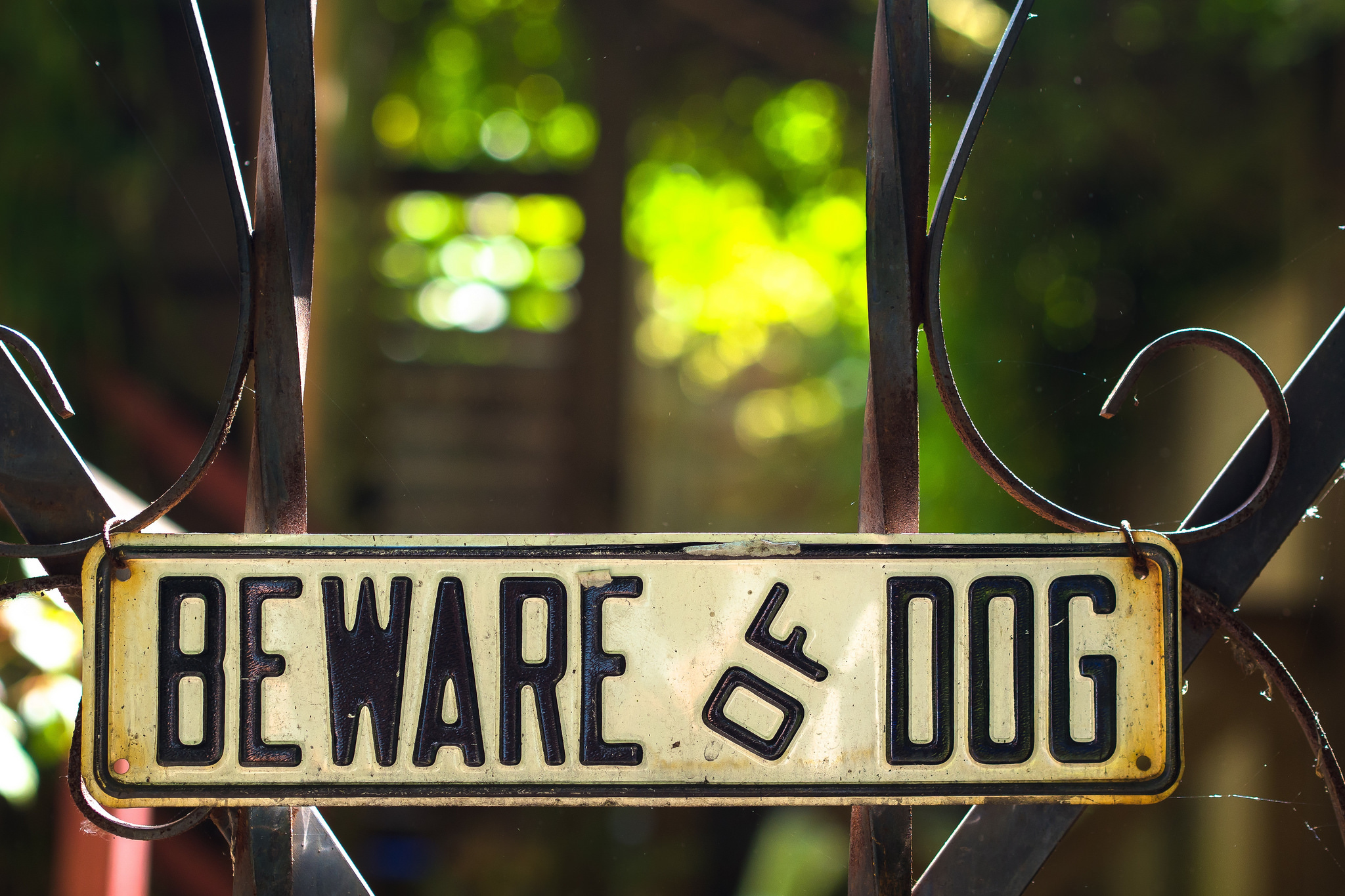
You probably don’t think your dog would ever bite someone, let alone cause a serious injury. But dog bites are more common than you might realize—4.5 million occur every year in the U.S., according to the Centers for Disease Control and Prevention. And most victims are young children.
Those injuries also have a bigger impact on homeowners insurance than you might realize: The Insurance Information Institute says dog-related claims accounted for more than $600 million in insurance payments in 2016.
(Keep in mind that it’s not just bites that cause injuries. Dogs can knock down pedestrians or cyclists, too, which often leads to severe medical issues as well.)
With those numbers in mind, it’s understandable that insurance companies want to know if you’ve got a dog in your household. Some even will refuse to insure you if you have a specific breed with a reputation for aggressive behavior, regardless of whether your dog has ever bitten someone.
Despite that, you should never hide the fact that you have a dog from your insurance company. If you do, and your dog then causes an injury, your coverage could be invalidated—leaving you on the hook for potentially tens of thousands of dollars or more.
When a bite happens
OK, so your insurance company knows about your dog. But do you have to tell them if the dog bites or injures somebody?
That depends. If it’s a minor incident, you might consider paying out of pocket for any medical expenses in an attempt to avoid the claims process and a potential increase in your premiums. (In some instances, insurance companies will not renew your policy or will exclude your dog from coverage after paying for a dog-related claim.)
However, this might violate your policy, which probably requires you to report changes in your circumstances. If you don’t report a bite, and the dog then bites someone else later, the insurance company might deny you liability coverage for the second incident. Ask us to outline your options.
Another risk is the threat of future claims from the victim. Injuries aren’t always immediately apparent, and complications can arise later. The victim might decide down the road to sue you. And if you’ve waited too long to report the incident to your insurance company, it might be too late to make a claim and receive all the protection your policy was meant to provide—which can include help with attorney fees, medical bills and more.
A $33,000 mistake?
Ask yourself this: How would your budget look if you had an unexpected $33,000 expense? The average claim payment for a dog injury in 2016 was about that amount. And that’s with an insurance company working on behalf of the insured. If you’re on your own, you could wind up paying even more—a lot more.
Our advice? Start with your independent agent and discuss your specific situation. Even if you decide not to file a claim—which is always an option—you’ll get guidance from a professional on our team who can help you assess the risk.
Reposted with permission from the original author, Safeco Insurance®.
Top image by Flickr user Kenny Louie used under Creative Commons Attribution-Sharealike 2.0 license. Image cropped and modified from original.
Source: SafeCo Agents

Today, as car sharing has grown in popularity (well over a million people are members of various services in the U.S., according to the Transportation Sustainability Research Center (TSRC)), the number of options has grown, too.
You can borrow a company-owned car (think Zipcar or Car2Go) for a few hours at a time or for a daily rate, returning it to the spot where you picked it up or a drop-off area in a designated zone. You can even rent cars from other individuals—and rent your car to them.
There are benefits and drawbacks to car sharing—just as there are when driving your own car everywhere. But is sharing right for you? Here are four things you should consider before you get started.
There’s a lot to like about car sharing, but there’s a lot to think about, too. Don’t hit the road before you weigh the pros and cons—and make sure you’re protected.
Reposted with permission from the original author, Safeco Insurance®.
Top image by Flickr user GoToVan used under Creative Commons Attribution-Sharealike 2.0 license. Image cropped and modified from original.
Source: SafeCo Agents