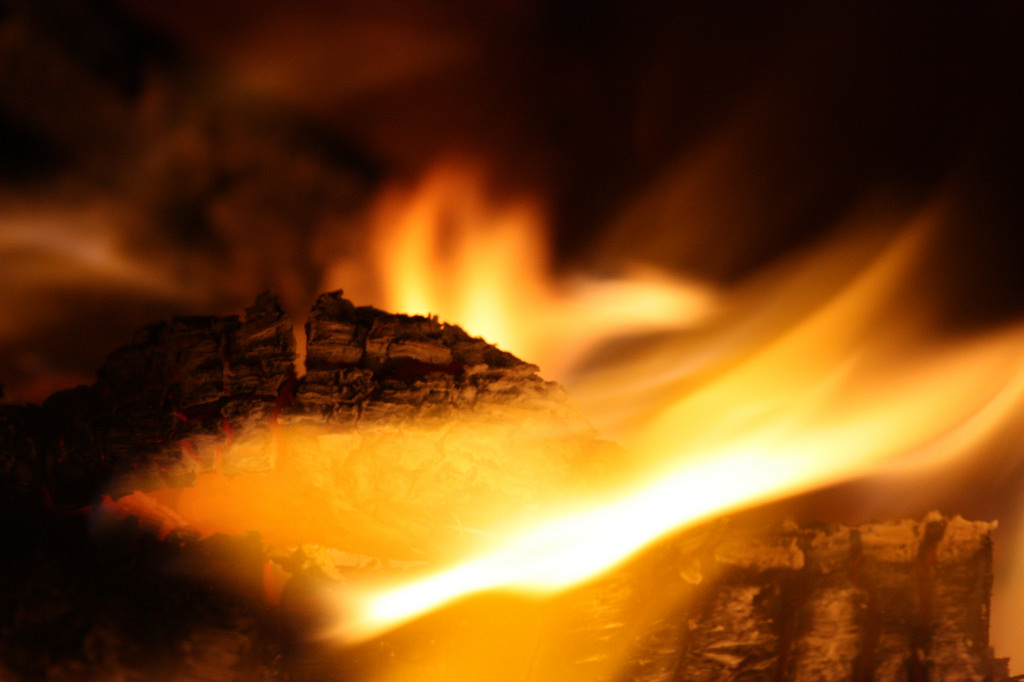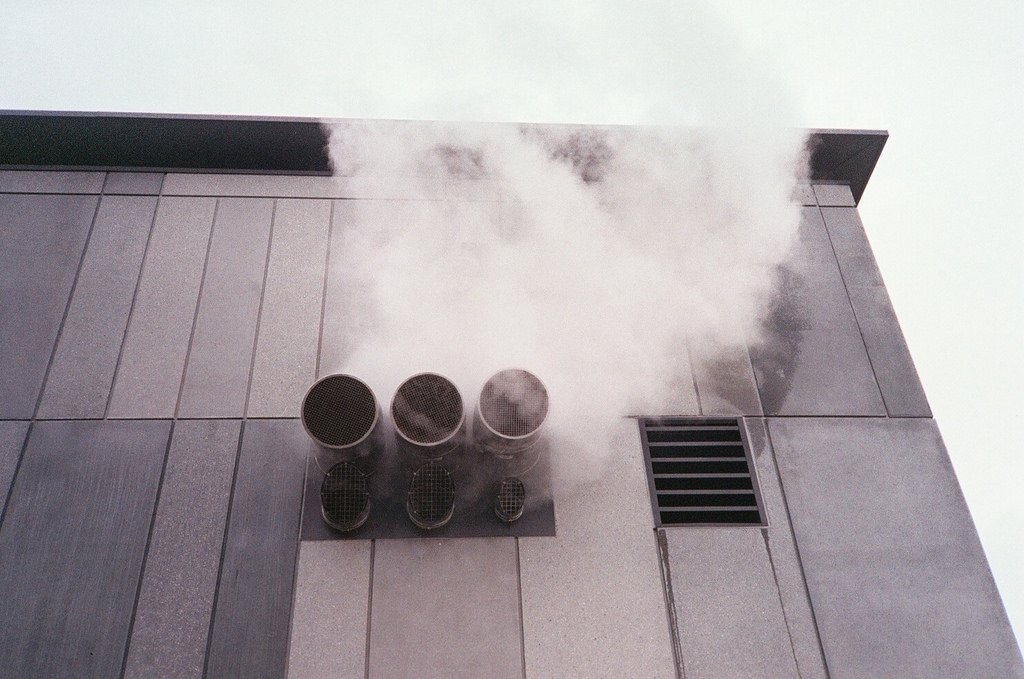
Every year, according to the Centers for Disease Control and Prevention, hundreds of people in the U.S. die from carbon-monoxide (CO) poisoning—and the invisible, odorless gas sickens thousands more.
The numbers seem even more tragic when you consider that most of these deaths and illnesses are preventable. Here are tips from the Consumer Product Safety Commission and the Occupational Safety and Health Administration to help protect yourself and your loved ones at home and work.
At home
At work
In general, the same precautions for homes apply here, but there are a few additional considerations for the workplace, particularly one where gas-powered machinery is used:
Whether you’re at home or work, always be on the lookout for symptoms of CO exposure: They include dizziness, drowsiness, headaches and nausea. If you suspect an issue, leave the area as soon as possible and call 911—because when it comes to CO, it’s better to be safe than sorry.
Reposted with permission from the original author, Safeco Insurance®.
Top image by Flickr user Yutaka Seki used under Creative Commons Attribution-Sharealike 2.0 license. Image cropped and modified from original.
Source: SafeCo Agents
They’re trees. And as with so many things in life, proper maintenance is critical. Keeping your trees healthy will allow you to continue to enjoy them and their benefits — one of which is providing enough oxygen for four people every day!
Maintenance also will reduce the risk of a tree falling on your home or your car (or even worse, someone else’s home or car).
Here are some tips from the National Arbor Day Foundation to help keep trees healthy, identify warning signs and address problems. A healthy tree that you care for properly — and regularly — is far less likely to become a hazard. Remember, prevention is key!
Inspect your trees often This applies to all seasons! The sooner you spot a problem, the sooner you can take corrective action — and potentially save your tree. Check trees regularly each year, and have a qualified arborist inspect them annually.
Plant the right species Brittle trees can produce weak limbs that fall and injure people or property. Examples include Silver Maples, Lombardy Poplars, Box Elders, and Willows.
Prune the right way, at the right time Trees should first be pruned when they are young, and then at regular intervals as they age. Make the cut outside the branch collar, and never allow trees to be topped.
Plant in the right place Don’t plant trees that will grow to be large close to your home or under power lines.
Learn to spot problems According to the National Arbor Day Foundation, there are several key things to consider when evaluating your trees for potential issues.
If you have a dead or dying tree, it should be promptly removed unless it is in an area where structures or people won’t be threatened. And have an expert do the job — bringing down a large tree is extremely dangerous, and accidents can result in severe damage, injury, and even death.
The law typically holds the owner responsible for damage or injury caused by a defective tree. So don’t forget about them when you’re working in the yard or examining your landscaping. Keeping your trees healthy can limit the potential for disaster — in addition to keeping your space beautiful and vibrant.
Reposted with permission from the original author, Safeco Insurance®.
Top image by Flickr user Hilary Halliwell used under Creative Commons Attribution-Sharealike 2.0 license. Image cropped and modified from original.
Source: SafeCo Agents

You’ve heard all the talk about driverless cars — but unfortunately, we’re still years away from living in a world where you just tell your car where to go, kick back and relax with a book (or, more likely, your phone).
But even though our driverless future has yet to arrive, and you still have to pay attention when you’re behind the wheel, technology actually plays a big role on the road already. And nowhere is that more apparent than the new safety features that make today’s cars safer than ever.
Those features might be even more important now, because drivers aren’t necessarily better these days. In fact, according to the National Highway Traffic Safety Administration (NHTSA), 2015 ended a five-decade trend of declining traffic fatalities — the 7.2% increase in deaths from 2014 was the largest jump since 1966.
Of course, we all know the basics of being a good driver: be alert, don’t speed, avoid distractions, remain mindful of the conditions, etc. While newer safety features aren’t a substitute for any of those things, they can be an excellent supplement to good driving habits.
So when you’re shopping for a new (or new-to-you) car, look for vehicles that have the following options recommended by the NHTSA. They might even help you save on your insurance!
Forward collision warning: These sensors in the front of the vehicle will warn you of an impending collision, giving you a chance to brake or steer clear.
Automatic emergency braking: Working with forward collision warning sensors, this will automatically apply the brakes to avoid a collision.
Lane-departure warning: This uses cameras to keep track of your car’s position on the roadway; if you begin to drift from your lane unintentionally, an alarm notifies you.
Backup camera: These cameras, which are becoming standard equipment in more vehicles, automatically activate when the car shifts into reverse, giving you a view behind the car.
Electronic stability control: This is now standard on models 2012 and later, but if you’re purchasing a used car, consider one that offers this feature. It helps you keep control in slippery conditions and on curves — according to the NHTSA, it reduces the risk of a fatal single-vehicle crash by about 50% and the risk of a fatal rollover by 80%.
Other features that may be available, depending on the make and model of car you choose:
Finally, don’t forget things that have little to do with technology, but still have a big impact on safety — such as the car’s size and weight, structure and restraint systems, and its NHTSA safety rating. To look up the cars you’re considering, visit Safercar Safety Ratings.
Reposted with permission from the original author, Safeco Insurance®.
Top image by Flickr user akem2013 used under Creative Commons Attribution-Sharealike Generic 2.0 license. Image cropped and modified from original.
Source: SafeCo Agents
If a massive disaster wiped out power to your region right now, with no hope of recovery for at least several days, would you be ready? Would you have a way to connect with your family? Would you have enough nonperishable food for everyone? In short, do you have the right plan and supplies to get through an emergency?
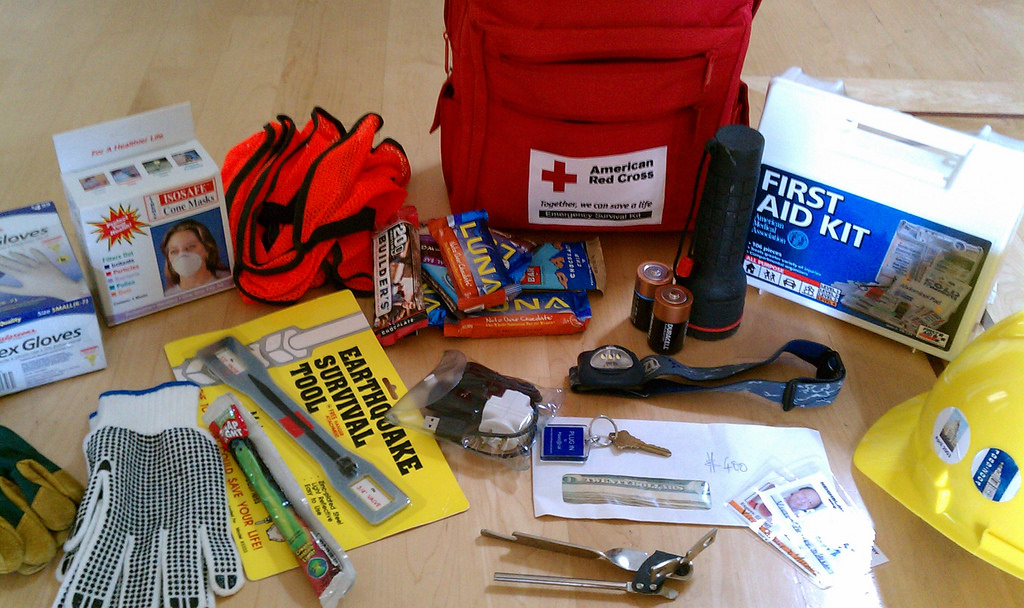
In the insurance business, we know a little something about helping people recover from disasters. We know that a little preparation goes a long way. So here are some tips from the Red Cross, Centers for Disease Control and others on what you should put in an emergency preparedness kit for you and your family:
The big stuff: food and water
At home, consider keeping a two-week supply of nonperishable food on hand in a safe, dry place. You might already have a good head start on this, depending on what’s in your pantry. You also need a two-week supply of water, according to the Red Cross. That’s one gallon per person, per day. Don’t forget your pets. They’ll need their food and water as well. For evacuation situations, take a three-day supply of the above.
Safety items
If the power is out for an extended period, you’ll need flashlights or battery-powered lanterns (with extra batteries). A portable, hand-crank radio will ensure you stay informed on the situation. A first-aid kit is a must, along with at least a week’s worth of any medications that family members need. Emergency blankets and warm clothes are crucial if the weather is cold. Don’t forget personal hygiene items.
Paperwork
You could be forced to evacuate, so it’s important to have certain things down on paper — for example, family and emergency contact information. You’ll also want to keep copies of personal documents, such as proof of address, passports, birth certificates, and insurance policies.
Other items
There are a multitude of other things you can include in your kit, of course. A multipurpose tool, extra cash, and maps of the area are a few recommendations, along with games and activities to keep the kids occupied, if needed.
Above all, consider the unique needs of you and your family when putting together your kit. Put everything in labeled containers that can be accessed quickly and carried if necessary. Once you’ve created your kit, check it each September during National Preparedness Month for expired items, including medications, and missing supplies.
Of course, we hope you never have to use your kit. But it’s far better to have one you don’t need instead of needing one you don’t have.
Reposted with permission from the original author, Safeco Insurance®.
Top image by Flickr user Global X used under Creative Commons Attribution-Sharealike 2.0 license. Image cropped and modified from original.
Source: SafeCo Agents
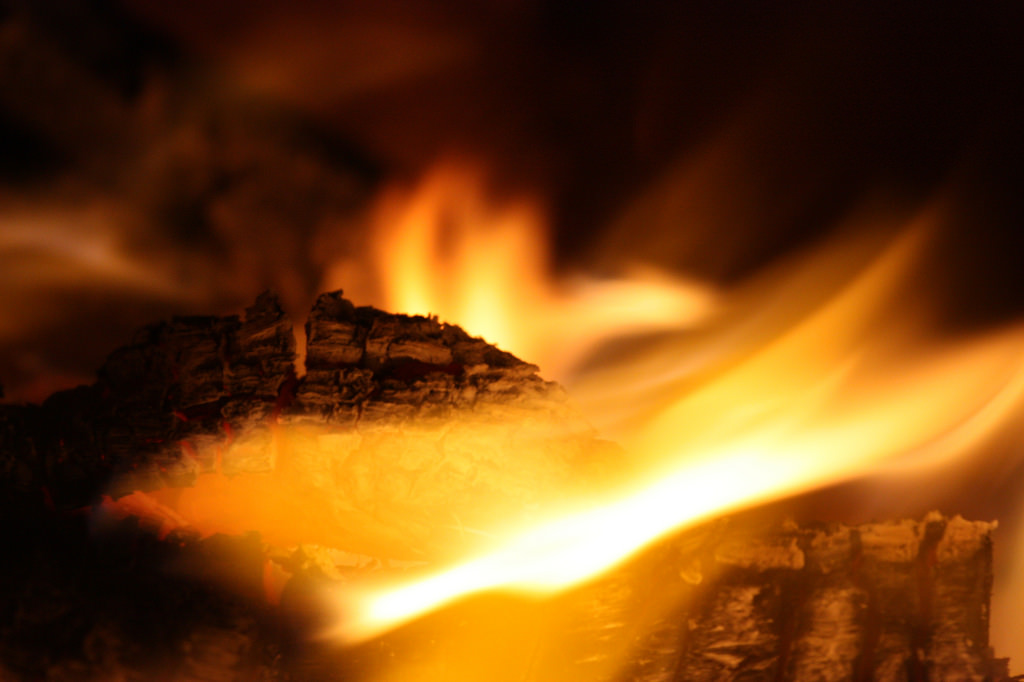
From building materials to furnishings, many of the things in your home likely aren’t as flame-resistant as those from yesteryear.
A fire in a modern home is a “perfect storm,” according to safety consulting and certification company UL (Underwriters Laboratories).
Larger homes, more open layouts, new construction materials and other factors mean fires burn more quickly, leaving less time for occupants to escape — and for firefighters to stop the flames. How much less time? About 30 years ago, you had about 17 minutes to get out of the house once it caught fire. Today? Just three or four minutes.
A lot goes into creating that “perfect storm,” experts say. Here are some key factors:
What can you do? Well, unless you’re having a house built or doing an extensive remodel, you can’t really change the materials used to construct your home. However, there are a few things you should do immediately to help keep you and your family safe, no matter where you live:
To learn more about fire safety, check out these tips from the American Red Cross. Because the best fire protection of all is preventing one from starting in the first place!
Reposted with permission from the original author, Safeco Insurance®.
Top image by Flickr user Robyn Jay used under Creative Commons Attribution-Sharealike 2.0 license. Image cropped and modified from original.
Source: SafeCo Agents
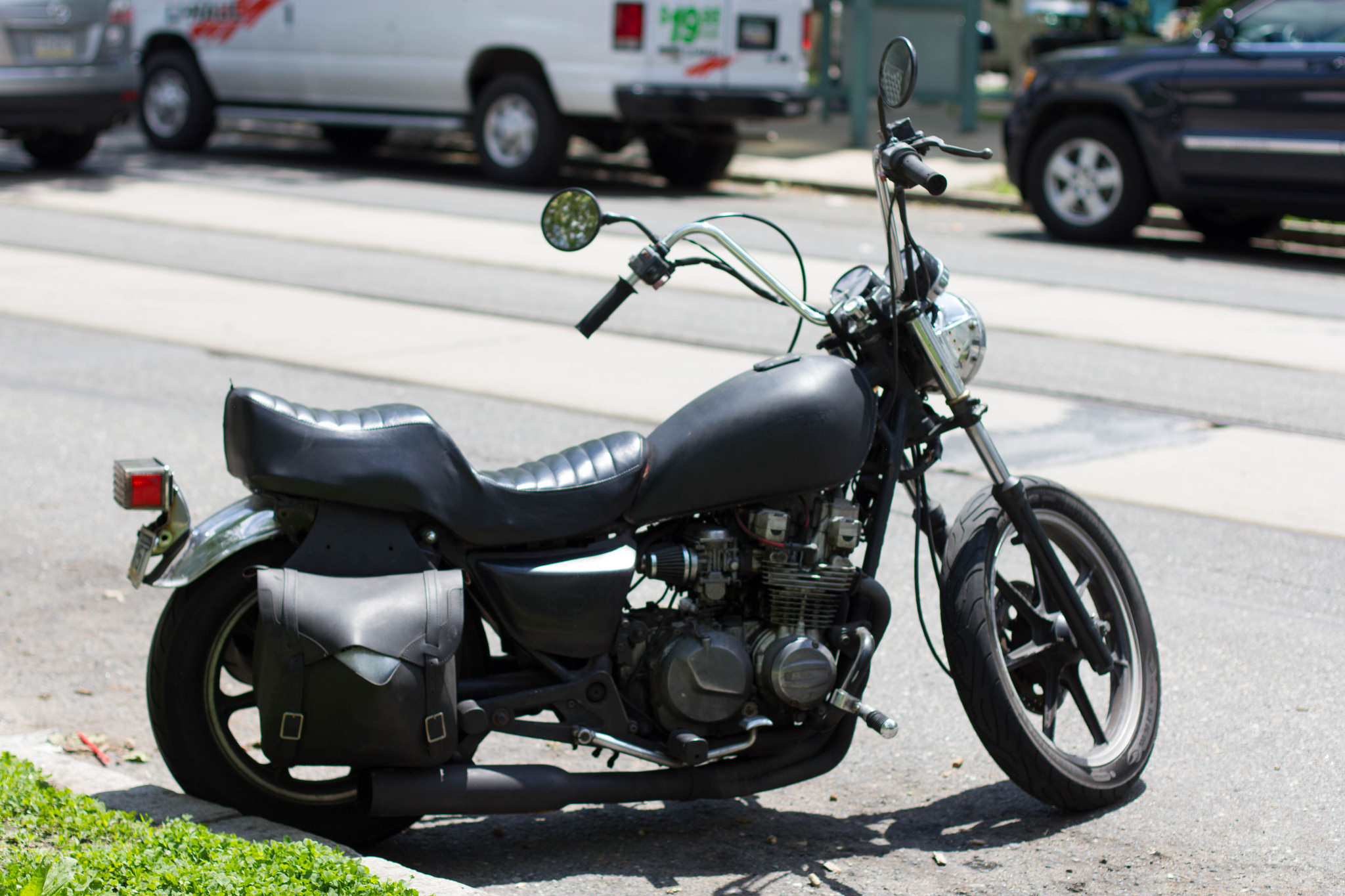
Motorcycle riders are far more likely than people in cars to be seriously injured or killed in a crash — but keeping safety in mind can reduce your risk.
There are many benefits to motorcycles — they get great gas mileage, they can make your commute easier, and it’s almost never a problem finding a parking space. As anyone who rides will tell you, they’re also a lot of fun.
But riders assume a lot of risk to get those benefits — according to the Insurance Institute for Highway Safety, they’re 30 times more likely to die in a crash than drivers and passengers in cars. Whether you’re an experienced motorcyclist or you’re just getting started, these tips from the Motorcycle Safety Foundation and Consumer Reports can help keep you on the road, and out of danger.
Choose the right bike — and know how to use it. Riding a more powerful motorcycle than you can truly handle can get you into trouble. According to Consumer Reports, a model with a 250-cc to 300-cc engine is great for a starter or commuter motorcycle, while those with 500-cc to 750-cc engines are good for extended highway riding. Whatever size bike you choose, though, taking a Motorcycle Safety Foundation (MSF) riding course will ensure you know how to operate it properly.
Make sure you’re visible. Even when drivers are alert, it can be hard for them to see motorcyclists (and it’s even worse if they’re distracted). That means you need to help as much as possible. Try to stay out of the blind spots of cars and trucks, and make sure your headlight is always on, even when riding in the daytime. It’s also a good idea to wear bright-colored clothing or add reflective strips to your bike.
Use the right safety gear. Whether your state has a helmet law or not, we strongly recommend that you protect your head — studies show riders without helmets are three times more likely to have a brain injury in a crash. You should also wear leather or other thick clothing. As the MSF puts it, “The only thing between you and the road is your protective gear.”
Be safety-minded at all times. This can mean any number of things, from keeping your bike well-maintained to deciding not to ride when the weather is bad. Both of those things are good ideas, of course. Perhaps most important is driving defensively, because at least one study shows that in the majority of car-motorcycle accidents, car drivers are at fault. You need to be hyper-alert and prepared for sudden lane changes, being cut off and more.
“Born to be wild” may be a phrase forever associated with motorcycles, but don’t take that to heart when it comes to safety. Let your hair down and enjoy the ride — just use some common sense to make sure you’re around for the next ride, too.
Reposted with permission from the original author, Safeco Insurance®.
Top image by Flickr user David Hilowitz used under Creative Commons Attribution-Sharealike 2.0 license. Image cropped and modified from original.
Source: SafeCo Agents
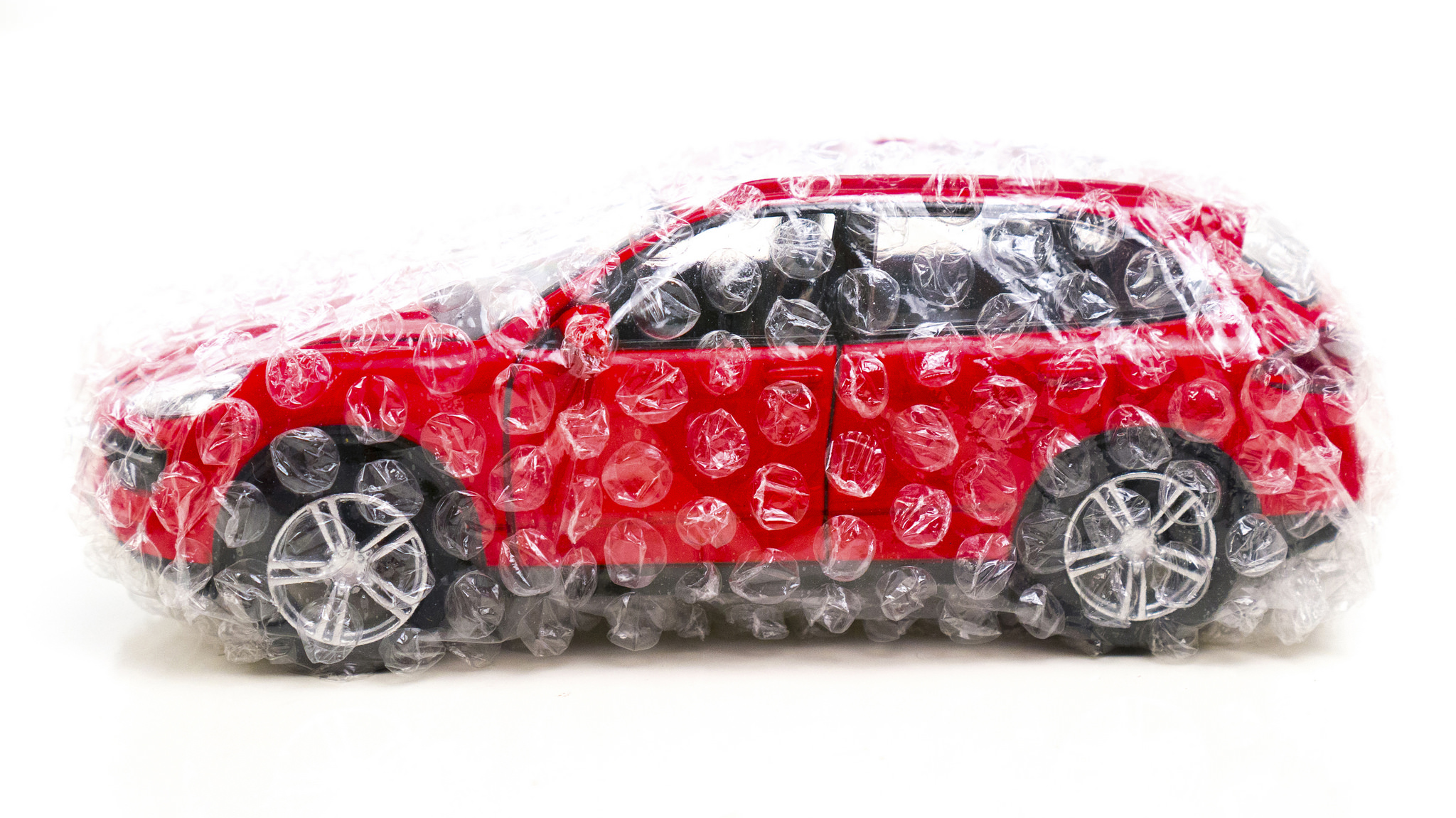
It’s easy to lower your insurance costs — especially if you have a great driving record, or don’t mind having higher deductibles.
Who doesn’t want to pay less for car insurance? Billions of dollars are spent on ad campaigns to convince you to “switch and save” — but the truth is, many people can find savings no matter who their insurance company is. According to the Insurance Information Institute and other experts, here’s how you can, too:
Reposted with permission from the original author, Safeco Insurance®.
Top image by Flickr user Pictures of Money used under Creative Commons Attribution 2.0 Generic license. Image cropped and modified from original.
Source: SafeCo Agents

One of the most certain things in life is uncertainty. Your dog could bite the neighbor’s kid. Your teen driver could hit a cyclist. A guest could fall down your stairs. A rainy morning commute on worn-out tires could result in a multi-car accident. And you could be held liable to others for the cost of damages – injuries, property destruction, emotional distress, lost wages and more.
Good thing you have insurance. But, wait, your policy covers $300,000 of liability, and, in a lawsuit, you’re judged liable for $1 million. That leaves $700,000 left to pay. How will you cover it?
If you have umbrella insurance and your policy covers the incident, the additional $700,000 will come from your policy. If not, it will come from the assets you have now, such as your home and savings, and from future assets, such as your wages or inheritance.
The fact is, it only takes one serious accident and a resulting lawsuit to put everything you own – and will own – at risk. And it only takes one umbrella policy to help protect it all.
Here are a few things you should know about umbrella insurance:
Essentially, an umbrella policy gives you excess liability coverage on top of what your other policies provide. If you’re at fault for a serious accident, you’ll need it.
Umbrella insurance also gives you liability coverage in instances where other policies don’t. Examples include driving in a foreign country or renting a boat.
If you’re curious about how umbrella insurance might play a role in protecting the life you’ve built or plan to build, talk to us today.
Reposted with permission from the original author, Safeco Insurance®.
Top image by Flickr user dusk-photography used under Creative Commons Attribution-Sharealike 2.0 license. Image cropped and modified from original.
Source: SafeCo Agents

A ring from a loved one. A bracelet handed down through generations. A watch or necklace marking a special occasion.
Every reason why you treasure a piece of fine jewelry is a reason why it should be insured.
However, calling it “jewelry insurance” may be a stretch. You don’t need a separate policy to insure your jewelry. You just need to ensure you have the right personal property coverage from your homeowners, condo, or renters insurance.
Jewelry coverage helps protect the investment you’ve made in your favorite pieces by helping you replace them if you experience a loss that’s covered by your policy. But, the coverage is only for certain instances and set dollar amounts, so double check what coverage you have and learn more about insuring jewelry below.
Know What Your Existing Insurance Policy Covers
If you already have personal property coverage as part of a homeowners, renters, or condo policy, you likely already have some form of protection for your jewelry. The typical insurance policy will cover you, up to your policy limit, for jewelry that’s stolen or damaged in certain incidents, such as a fire at your home. However, the typical policy will not cover everyday damage, such as a stone falling out of its setting.
In addition to knowing when you’re covered and when you’re not, it’s also important to know how much you’re covered for. Your insurance policy may cover each individual piece of jewelry at a set amount, such as $1,000 per piece. Or, it may cover your jewelry collection as a whole, such as $3,000 for all pieces. Check your policy or schedule an insurance review with us to better understand what kind of jewelry coverage you have.
Calculate the Value of Your Jewelry Collection in Today’s Dollars
To determine whether you have enough jewelry insurance, you need to know how much your pieces are worth. Keep in mind that your pieces may be worth more now than when you bought them. The value of precious metals and precious stones can increase over time, so have your pieces appraised about every three years.
Use these appraisals, as well as receipts for recently purchased items, to add up the value of your collection. Then compare it to how much jewelry replacement coverage you have on your homeowners insurance, condo insurance or renters insurance.
Decide Which Items Require Additional Coverage
If the jewelry coverage on your policy is lower than the value of your collection, you’ll likely want to purchase additional coverage. For example, you may have a $2,000 pair of diamond earrings, a $7,500 engagement ring and an insurance policy that covers jewelry loss – no matter how many pieces – at $3,000. If both pieces are lost in a single incident, you’re short $6,500 of coverage.
To fill this gap, you can insure high-value items individually, as part of your homeowners insurance, condo insurance or renters insurance. This is known as “scheduling valuables” or adding a “rider” or “endorsement” to your policy. To do so, you will likely need a recent receipt or appraisal establishing the value of each item.
Once scheduled, if an item is damaged or lost in a covered incident, you’ll be covered for the full scheduled amount. Typically, scheduling an item also gives you broader coverage. A lost stone that isn’t covered under your homeowners policy, for example, is likely covered under a policy rider.
Catalog Your Jewelry in a Home Inventory
Once you arrange coverage for your high-value jewelry, it’s important to create a home inventory or update an existing one to catalog your valuable belongings. This isn’t as important for your scheduled pieces because your insurance company has a record of their value. However, for any unscheduled pieces that are lost or stolen, you’ll want a record of their worth.
Ideally, your home inventory will include photos, receipts, appraisals, descriptions, brand names, etc. of all valuable personal property, not just your jewelry. That way, if there’s a loss, you’ll already have the documentation needed for a personal property claim in place.
A home inventory can be as simple as a Word document (save it to the cloud or a flash drive in case your computer is damaged or stolen). Or use a Web program or mobile phone app, such as the home inventory app, to help you catalog your belongings.
Insuring jewelry is easy and affordable, so talk to us about it. If you get something special this year, in addition to flashing it to your friends, think about protecting it, too.
Reposted with permission from the original author, Safeco Insurance®.
Top image by Flickr user Celaeno used under Creative Commons Attribution-Sharealike 2.0 Generic license. Image cropped and modified from original.
Source: SafeCo Agents

You can lower your risk of drowning by wearing a life jacket — but it can’t be just any life jacket. To truly be effective, a life jacket needs to be the right type and fit correctly.
You probably know you should wear a life jacket when you’re on the water, and you probably know it’s important for kids to wear one, too. (For kids, life jackets typically are required by state law; in states with no law, the U.S. Coast Guard requires anyone under the age of 13 on a moving boat to have one.)
But do you know just how important it is? According to the Coast Guard, drowning causes more than 70% of boating deaths — and more than 80% of victims are found without a life jacket.
Even wearing a life jacket won’t do much good if it doesn’t fit correctly, though. So how do you choose the right one? Here are some tips from experts with the Coast Guard and the U.S. Marine Corps.
First, choose the right type for your activities. Gone are the days when all life jackets were just those bulky orange vests you might remember from your childhood. There are different types for all kinds of activities now — including recreational boating, paddle sports such as kayaking or canoeing, even hunting and fishing. Some life jackets have auto-inflation features, so they can be worn more comfortably but still provide protection if someone falls into the water.
Then, make sure everyone has a jacket that fits properly. According to the Coast Guard, if a life jacket is too big, it won’t keep your head above the water. And if it’s too small, it might not have the buoyancy required to keep your body afloat. Remember, a life jacket sized for an adult will not work for a child. Here’s how to get the best fit.
Don’t forget about your pets. Even dogs that are strong swimmers can struggle in open water or get fatigued. So if you’ve got a dog coming with you on the water, the American Kennel Club recommends a life jacket for them, too! Available at pet stores and online, options include vests, which make it easier to swim, and jackets, which provide more buoyancy.
Remember, nobody expects to be in an accident on the water — and if you think you’ll have time to just throw a life jacket on when something bad happens, think again. In most cases of boating-related drowning, the Coast Guard says, life jackets were stowed on board but not worn by victims.
Summer is the perfect time to enjoy the outdoors by getting out on the water. But no matter what activity you choose, make sure you choose safety — find the right life jacket and wear it!
Reposted with permission from the original author, Safeco Insurance®.
Top image by Flickr user fivehanks used under Creative Commons Attribution 2.0 Generic license. Image cropped and modified from original.
Source: SafeCo Agents

That oh-so-covetable experience of taking a dip in your very own pool? Millions of American households enjoy it, at least when the weather’s nice.
With the summer heat ratcheting up, you may be coming down with a serious case of pool envy, obsessed with having a pool right outside your door for cooling off and entertaining friends. A swimming pool can even increase the value of your home. But, will it increase your homeowners insurance rates too?
Before you dive in and add a pool to your property or buy a home that already has one, here are three important things to keep in mind:
Above all, ask us questions. Against which risks is damage to my pool covered? Is the pump covered too and under what circumstances?
Working closely with someone who understands your property and the local zoning laws is one of the best ways to fully understand how a pool may affect your homeowners insurance rates. We can help you find the right balance of coverage for your specific situation and help ensure your relaxing oasis isn’t an unmanageable risk.
Looking for a Homeowners Insurance quote?
Contact us to get the coverage that’s right for you, whether you have a pool or not.
Reposted with permission from the original author, Safeco Insurance®.
Top image by Flickr user Brian Holland used under Creative Commons Attribution 2.0 Generic license. Image cropped and modified from original.
Source: SafeCo Agents

As a busy homeowner, it is easy to fall into the trap of pushing off tasks that maintain the long-term value of your home in favor of more pressing problems. That’s OK, to a point, as certain house-cleaning projects should be in the “long-term maintenance” category. But putting them on hold for too long can have disastrous results. As with so many things in life, preventive maintenance can save a lot of future effort and cost in your home, too.
We’ve put together the following checklist of cleaning projects that can save you headaches – and money – down the line.
Think back to when you purchased your home. You probably visited an open house where the fixtures sparkled, the floors gleamed, and the paint looked fresh. Following the checklist above can help you get that new-home feel again, while maintaining your home’s value as well.
Reposted with permission from the original author, Safeco Insurance®.
Top image by Flickr user emdot used under Creative Commons Attribution 2.0 Generic license. Image cropped and modified from original.
Source: SafeCo Agents