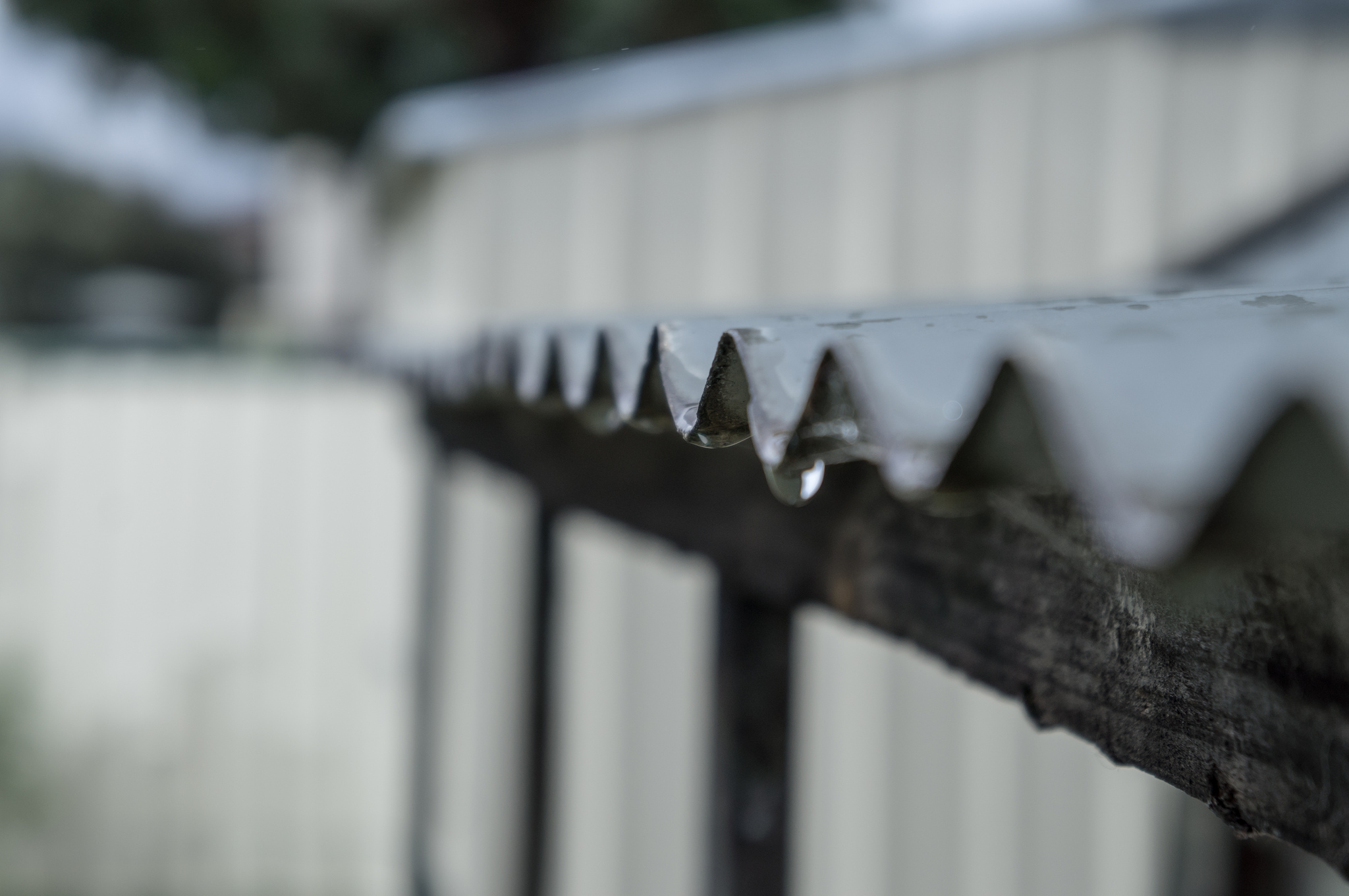
Your home protects you from the elements, but heavy rains can weaken that protection. With a little maintenance and a lot of vigilance, it’s not hard to stay safe and dry.
Spring rainstorms are a fact of life in many areas of the country, and they help keep things green, even if they keep you inside. But when they get heavy, it’s time to start thinking about the potential impact all that water has on your home. The first step is finding and fixing any immediate problems as soon as it’s safe to do so. Then, you’ll want to take measures to prevent those problems from happening during the next downpour!
Where is all that rain going?
Your roof and gutters form a key line of defense for your home – and in a storm, they’re vulnerable, because so many things can damage them. Trees, hail, and other objects can create weaknesses that might lead to leaks in your roof, so check for missing shingles and other issues. And keep your gutters clear so all that water drains properly.
Are you checking everywhere?
Water dripping from the ceiling is hard to miss. Water in your crawl space, however, can easily go undetected because hardly anyone ever checks there. Don’t forget to look down there after a storm (or have a professional do it) to make sure everything is nice and dry. If you do see moisture, you’ll want to get it out with a sump pump as soon as possible.
And don’t just look up – another place to check is your home’s exterior, whether it’s siding, brick, or another material. Weak spots can be hard to see, so look at various times of the day in different lighting conditions.
Of course, you’ll want to make sure your doors and windows are properly sealed to keep the elements out, too.
What about around your property?
Storm water has to go somewhere, and if your property doesn’t drain well, or if runoff goes toward your foundation, you could have problems. So watch for patterns, and grade property so it drains away from your home if possible. Always be wary of hillsides and tilting trees after heavy storms, because the land might not be stable.
And don’t forget to keep storm drains clear of leaves and other debris. This can prevent flooding both on the streets and your own property.
What should you do during the storm?
During powerful storms, stay inside. This is not the time to check your roof, your exterior, or your property unless there’s an emergency and you know it’s safe to go out. Monitor your interior, making sure no water is getting in. If it is, do what you can to alleviate the situation in the moment, even if it means just placing something under a leak to collect the water. For more serious problems, though, remember that safety is the most important thing. If your basement is flooding, for example, don’t go down there – you could be trapped and even drown.
Thankfully, powerful storms only hit once in a while. Preparing for them, however, should be on your mind a lot more frequently, because the next one could be tomorrow.
Reposted with permission from the original author, Safeco Insurance®.
Top image by Flickr user Victor U used under Creative Commons Attribution 2.0 Generic license. Image cropped and modified from original.
Source: SafeCo Agents

If you’re like most people, you start up the car every morning and get ready to fight traffic on your way to work. But wouldn’t it be nice to read a book on your commute instead? Or check your email? Even send a few texts?
Today, that’s not possible for drivers. (Actually, it is possible, but it’s dangerous. And way too many people do those things and worse behind the wheel.)
Tomorrow, however, self-driving cars might give us all the ability to do those things safely. And two amazing concept cars at the Consumer Electronics Show (CES) in Las Vegas provided a glimpse of an exciting future.
Each January, thousands of people from across the world attend CES to see the latest innovations in technology. Sam Affolter, senior director of research and innovation at Safeco, was there this year — and he’s intrigued by where the auto industry is headed.
“One of the coolest displays at CES was Toyota’s Concept-i car,” Affolter said. “It has a digital assistant called ‘Yui,’ an artificial-intelligence personality that customizes itself based on the different people in the car.”
With inward-facing cameras, Yui (pronounced “U-E”) identifies who’s in the car and where they’re sitting, and will recommend switching to autonomous mode when its facial-recognition technology senses the driver is distracted or sleepy.
It also learns your habits and preferences, Affolter said. “I prefer to be moving rather than stuck in traffic — and Yui will pick up on that and recommend routes that may be longer but with less congestion.”
Honda also made a big splash at CES with its NeuV, which stands for “New Electric Urban Vehicle.” Private vehicles are not in use 95% of the time, and Honda says the NeuV (pronounced “New-V”) could make good use of that extra capacity. It can function as an automated ride-sharing vehicle, picking up and dropping off customers at local destinations when the owner is not using the car. And when it’s idle, the NeuV even can sell energy back to the electric grid.
“It’s important to note that neither of these cars is rolling off the assembly line,” Affolter said. “They’re just examples of the possibilities.”
That may be a good thing, because it’s going to take time for people to get used to the idea of giving up control.
Both Yui and NeuV help break this barrier by acclimating drivers to the AI system in ways that can build trust, according to Affolter. Providing accurate, helpful information and recommendations over time increases the chances you’ll say “OK” when Yui or NeuV offer to take the wheel when you look tired or appear distracted.
“These innovations are paving the way to a more driverless future,” Affolter said. “It’s going to be really interesting to see where it leads us.”
Reposted with permission from the original author, Safeco Insurance®.
Top image by Flickr user Marco Verch used under Creative Commons Attribution 2.0 Generic license. Image cropped and modified from original.
Source: SafeCo Agents
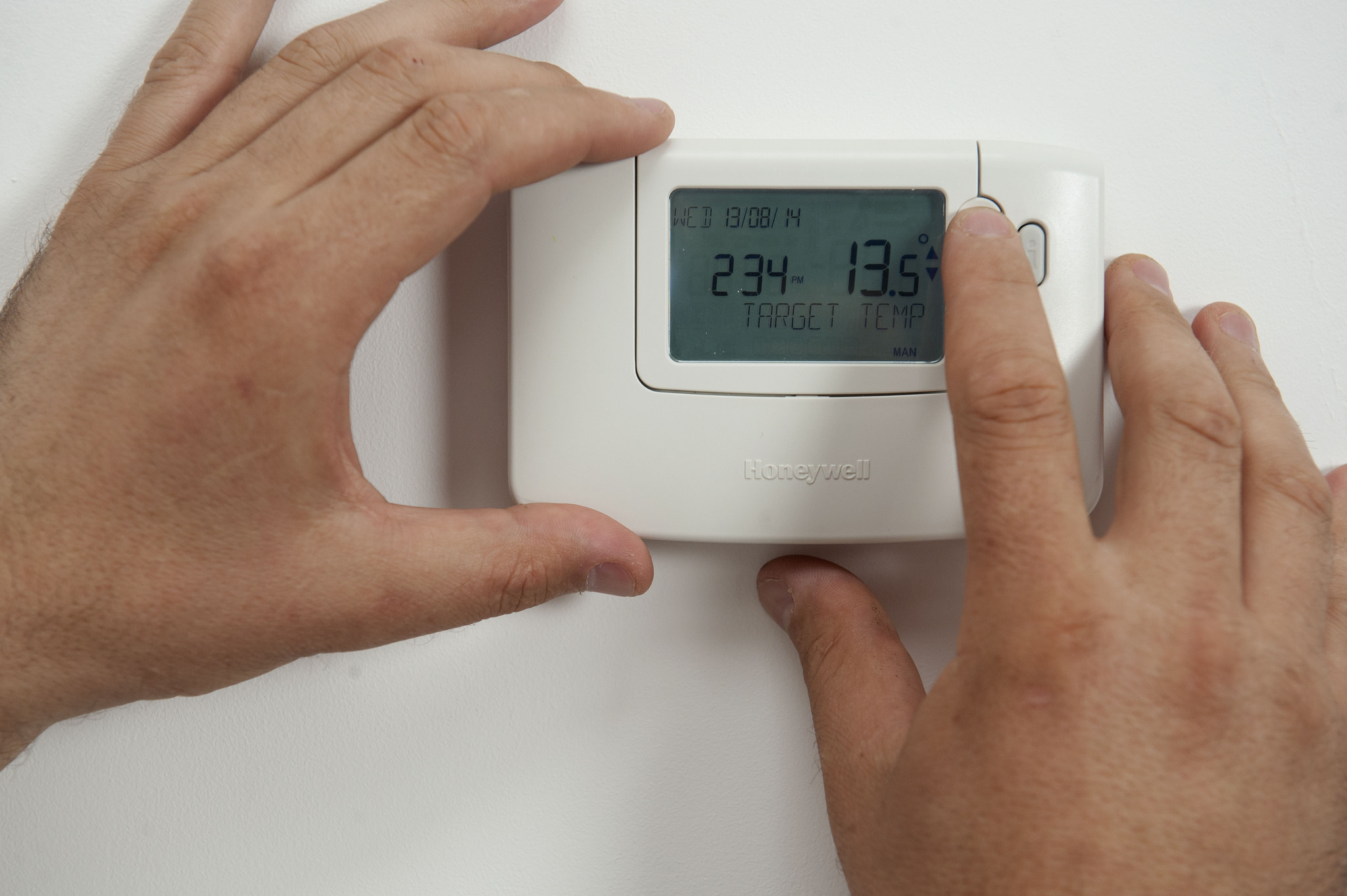
Home improvement: It’s a never-ending process for many people, and for those of us who aren’t necessarily handy, it can be a hassle, too.
But there are plenty of simple maintenance tasks and other improvements you can handle to make your home safer – whether you’re handy or not. And you won’t have to break out the power tools (or any tools at all in some instances) or worry about getting in over your head.
Water Works
You need running water in your home – but not water running in your home, if you know what we mean. Even minor leaks can cause major problems, from higher water bills to damage requiring costly repairs (maybe even the kind you can’t tackle yourself). Here are some easy ways to make sure your water stays where it should:
Keep Your Family (and Your Guests) On Their Feet
Millions of Americans – many of them older adults – are injured in falls each year. About 2.5 million were hurt in 2013 alone, according to the National Safety Council and the Centers for Disease Control and Prevention. Look around your home. Should you make some of these fixes?
Give Everyone Some Air
Pollution isn’t just an outside thing – the air in your home can be unhealthy, too. But helping people breathe a little easier isn’t hard when you follow these steps:
Home improvement doesn’t have to mean a kitchen remodel or finishing the basement. Making your home safer, in fact, just might be the best improvement of all.
Reposted with permission from the original author, Safeco Insurance®.
Top image by Flickr user CORGI HomePlan used under Creative Commons Attribution-Sharealike 2.0 license. Image cropped and modified from original.
Source: SafeCo Agents
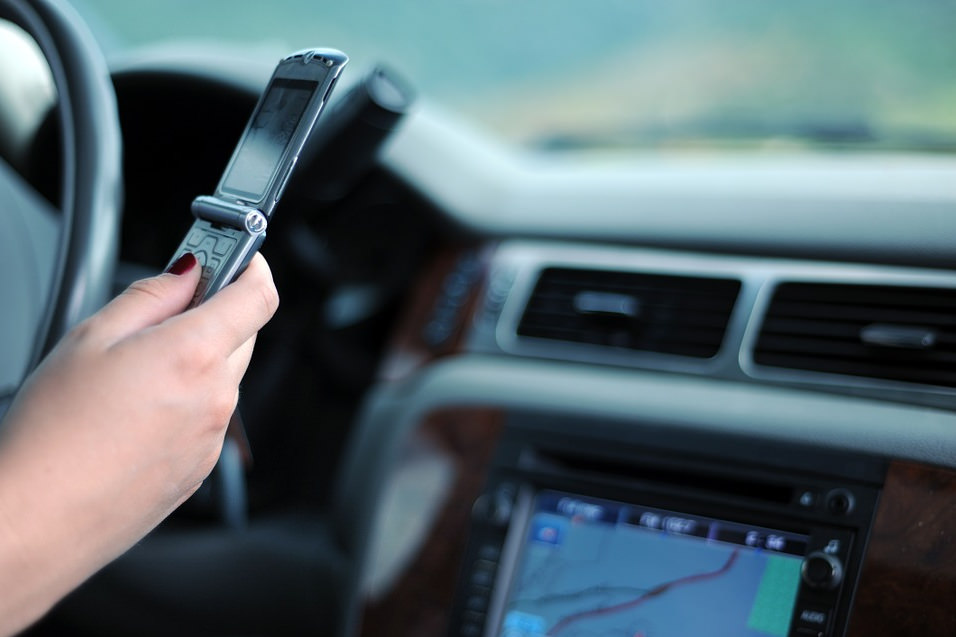
Many people have a limited definition of “distracted driving”: They think it only means texting behind the wheel.
There’s good reason for that, because texting requires visual, manual and cognitive attention – the same attention required for safe driving. But although texting is perhaps the most dangerous distraction, there are many others that can impact how you drive, whether you realize it or not. And they can be just as deadly.
How deadly? According to the National Highway Traffic Safety Administration and U.S. Department of Transportation, in 2014 more than 400,000 people were injured in crashes caused by distracted drivers – with more than 3,000 killed.
Here are just a few of the things that can distract drivers on the road:
Younger drivers are the most distracted of all – according to the government’s distraction.gov website, people in their 20s make up 38% of drivers who were using cell phones before a fatal crash, and 10% of teen drivers involved in fatal crashes were distracted, too.
With distractions more prevalent than ever – more than 150 billion text messages are sent in the U.S. every month, for example – how can you, and those you love, be safer behind the wheel? Here are a few tips:
Distracted driving isn’t just “one of those things” that happens, like a tire blowout or mechanical failure that isn’t anyone’s fault. It’s 100% preventable – and by committing to avoiding distractions while you drive, you’ll help make the road safer for everyone.
Reposted with permission from the original author, Safeco Insurance®.
Top image by Flickr user Government of Alberta used under Public domain. Image cropped and modified from original.
Source: SafeCo Agents
Maybe you’ve been here before. You’ve just come off the plane, picked up your baggage and gone to the rental car counter. You’re tired from the flight, about to begin an ambitious vacation or a challenging business project. And, this is the point at which you’re asked, “Do you want insurance with that?”
Most travelers, facing that question from the rental representative, have the vague notion that they don’t really need to buy rental car insurance – which somehow is covered already. With just enough doubt in their minds, and the need to make a quick decision, perhaps they buy it just to be safe.
So, which is it?
Do you need to buy rental car insurance or not?
Truth be told, there isn’t a one-size-fits-all answer. However, you can likely reach a conclusion you’re comfortable with by considering these three questions.
1. What Types of Rental Car Insurance Are Available?
Typically, car rental agencies will offer you four types of insurance to purchase:
2. What Rental Car Coverage Might I Already Have?
Start with your personal auto insurance. It’s likely that your policy will provide the same level of coverage for your rental as it does for your own car. That usually includes liability insurance, and, depending on the policy you purchased, may include collision, comprehensive and medical payments, too. There are exclusions, however. Some insurers won’t cover rentals in a foreign country, or rentals that are being used for business. Get in touch with your independent insurance agent to verify your coverages.
Next there’s your credit card. Most cards offer some degree of coverage, but it varies widely. Coverage is usually secondary, designed to step in and pick up where your auto insurance leaves off, and it tends to be mostly confined to collision, damage and theft. For coverage to apply, most cards require that you decline the rental company’s collision damage waiver and pay for the car in full with the card that provides the protection. Again, contact your card company to find out exactly what is covered.
Then, consider your health and life insurance, too. If you’re in an accident involving a rental car and you have these policies, you likely have coverage for your own costs. Plus, with your homeowners insurance, you may have personal property coverage to help repair or replace valuable belongings that are lost, damaged or stolen while you’re in a rental. Your deductible and policy limits will apply, and the same goes for renters insurance or condo insurance.
3. What Rental Coverage Might I Be Missing?
In the event something does happen to the rental car, you may be looking at loss of use and diminished value fees, and your regular policy may not cover them. Loss of use is the income that the rental agency loses due to the vehicle being in the shop for repairs, and diminished value is the calculated reduction in a vehicle’s resale value as the result of an accident. Credit cards sometimes cover these, but be aware that they may require documentation that rental agencies can be reluctant to provide.
So, before you make that next trip, give us a call and check with your credit card company. That way you’ll be ready to make an informed decision when you get to the rental car counter.
Reposted with permission from the original author, Safeco Insurance®.
Top image by Flickr user Timo Newton-Syms used under Creative Commons Attribution-Sharealike 2.0 license. Image cropped and modified from original.
Source: SafeCo Agents
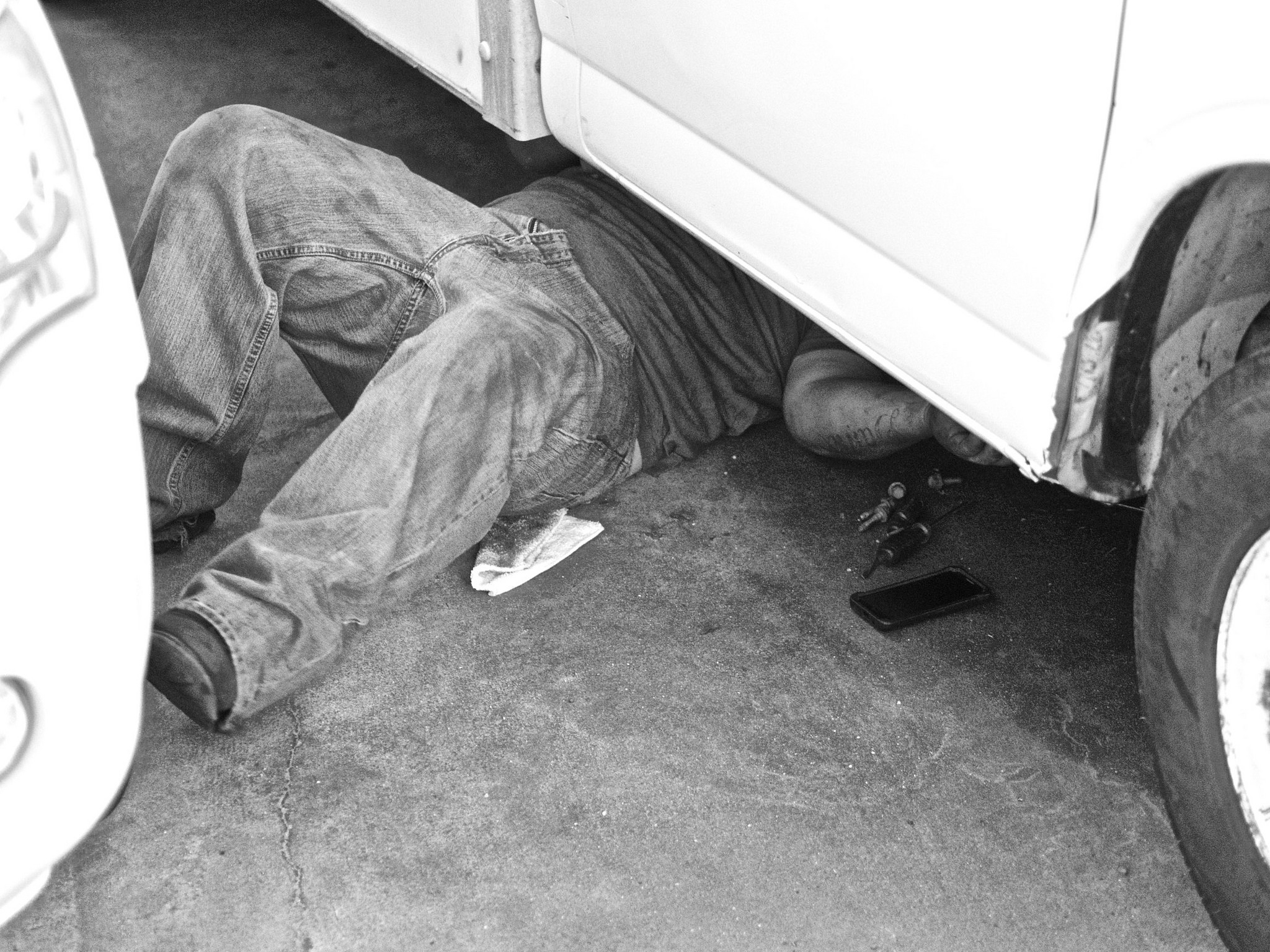
“Never trust a mechanic who drives new cars. They’re either charging too much money for their work, or they can’t keep an old car running — maybe both.” —Patricia Briggs, author
Okay, maybe that approach is a bit simplistic when your car breaks down and you need to choose a mechanic. But for many people, taking their car to the shop is an intimidating experience. They aren’t car-repair experts, after all, and they want to be sure they can trust they’re getting a fair deal.
(We should note that we’re talking about everyday repair situations here, not repairs resulting from an insurance claim.)
Below are questions from Consumer Reports, car blogs and other experts — some are for you, while others are questions any mechanic should be happy to answer in order to educate you and put your mind at ease. If you don’t like the responses, take your car elsewhere.
Questions for the Mechanic
Questions for You
Finding a mechanic you can trust isn’t easy, but it’s worth the effort. It feels great to know your car is in good hands — and it feels even better to know that the person fixing it isn’t taking advantage of you.
Reposted with permission from the original author, Safeco Insurance®.
Top image by Flickr user Mark Ittleman used under Creative Commons Attribution 2.0 Generic license. Image cropped and modified from original.
Source: SafeCo Agents
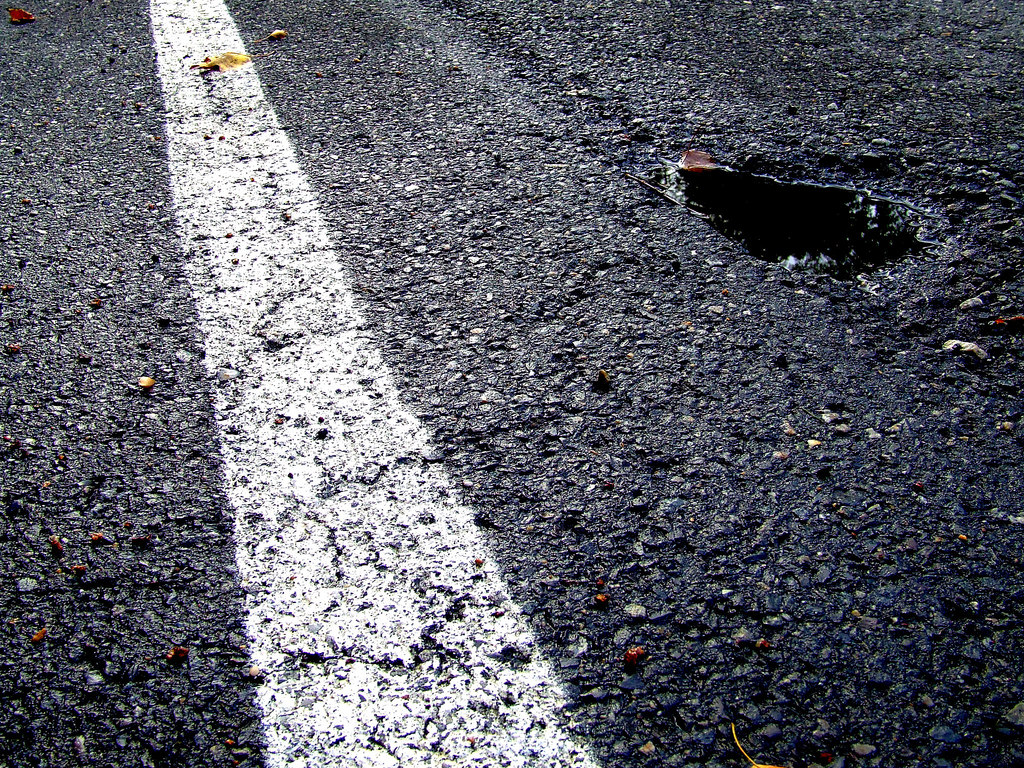
Spring is just around the corner, and that means something else might be lurking around the corner, too: A nasty pothole.
February, March and April are the worst months for potholes, according to Popular Mechanics, because roads are going through a constant process of freezing, thawing and then freezing again. That can lead to cracking, and when you add water to the mix, it’s a perfect recipe for potholes.
It’s bad news for cars, though, because potholes can damage your tires, wheels and even your suspension. Here are some tips on how you can avoid them or at least minimize the damage — as well as what to do when you can’t.
Steering Clear of Potholes
According to the Michigan Department of Transportation, the best way to avoid hitting potholes is by using common sense:
Never swerve suddenly into an occupied lane to avoid a pothole, however. That can create an even worse situation than driving through a pothole in the first place.
What if You Can’t Avoid One?
Sometimes you just don’t have a choice — you’re going to have to drive through a pothole. The Michigan DOT recommends slowing down as you approach the pothole, then letting off the brakes before you hit it. This helps your vehicle absorb the impact better. And take the pothole with your wheels straight, because hitting it at an angle can cause additional damage.
Even if you have to hit a pothole, having a well-maintained car can lower the likelihood of damage. So keep your tires inflated properly, and make sure your suspension and steering are in good shape, too.
Who Pays for the Damage?
Okay, so you’ve hit a pothole. Is your car damaged? If it feels different when you drive it (for example, pulling to one side), or you can see that your tires or wheels have been affected, get the car checked out.
The good news is, you probably won’t have to pay for repairs — or the full amount, at least — if you have collision coverage. That typically will cover pothole damage, subject to your deductible. But you should check with your independent insurance agent to discuss your specific situation.
Prevention is the often the best medicine — and that holds true for the damage potholes can cause. So use caution on the roads, be on the lookout for hazards, and follow the tips above to minimize the impact potholes have on you this season!
Reposted with permission from the original author, Safeco Insurance®.
Top image by Flickr user Joshua Davis Photography used under Creative Commons Attribution-Sharealike 2.0 license. Image cropped and modified from original.
Source: SafeCo Agents

Shopping online. Visiting the doctor. Buying gas. In nearly all of the things we do from day to day, there’s the risk of identity theft.
You could unknowingly give your information to a fraudster thinking you’re shopping at a legitimate site. Your doctor’s office could experience a data breach. Or, you could come across a tampered credit card reader at the gas pump.
The risks your identity faces go on and on. So, what can you do to stop it? Unfortunately, virtually no one today can completely negate the risk of identity theft. But, we can all take some important steps to help prevent it.
Here are 10 sensible habits to adopt that will help you protect your identity:
Despite your best efforts, you may still discover that your identity has been stolen, If so, take immediate action to:
And, if you’re involved in a data breach and offered free credit monitoring, be sure to take advantage of it.
In today’s world of hyper connectivity and speed, it’s easy for your information to end up in the wrong hands. But, by being cautious with how you use and share your information, and checking for misuse, you can help keep your identity secure.
Reposted with permission from the original author, Safeco Insurance®.
Top image by Flickr user GotCredit used under Creative Commons Attribution 2.0 Generic license. Image cropped and modified from original.
Source: SafeCo Agents
Before you drop collision coverage on that old beater, read on.
What is collision coverage?
Collision coverage is coverage for your car when it is involved in an accident with another vehicle or a stationary object. It’s typically another car that you’ll hit, but trees, light poles, and guard rails are stationary objects that get hit. It covers the cost of repairs or replacements to your own car. Your liability coverage covers damage to the other person’s vehicle or property.
But my car’s worth little to nothing, why would I carry collision coverage?
While it may be tempting to drop collision coverage on the old beater it may not be the best idea. Here are a few reasons why:
The Parking Lot Scenario – Don’t end up in court.
You’re backing up in a parking lot when you hit another car. The other driver was also backing up. Commonly the fault in this accident would be shared. But the other driver tells her insurance company that she was parked and you hit her. You tell your insurance company that both vehicles were moving when they hit so liability should be shared. Neither driver carries collision coverage. He said, she said.
The other driver reports the liability claim to your insurance company for damaging her car. They call you for a statement. You tell them both cars were moving. Your insurance company denies her payment as her insurance company should pay the claim. Her insurance company denies the claim because she doesn’t have collision insurance.
She files a claim against you in small claims court. The judge determines you are at fault and orders you to pay for the damage to her car. With collision coverage each insurance company would pay to fix the insured's vehicle and proceed to arbitrate to determine percentage of fault. Collision premium or small claims court judgement? I’ll pay the premium.
Parking Lot Tips:
"I just bought a new car and financed it. The finance department encouraged me to get loan gap coverage for $500 - $600. I added it to my loan for only a ten dollars a month"
What's the problem?
Total losses on automobile insurance policies are generally settled at actual cash value. Here's the problem. That new car you just drove off the lot. Well - Now, it's used. That usually costs you $5,000 or more in value. Let's say you finance 100% of the purchase price and the auto is in an accident the next day. It is a total loss. The insurance company cuts you a check for actual cash value and you're short the $5,000 you owe for your "new" used car.
What is loan or lease gap coverage?
The gap ($5,000 in the scenario above) is the amount between your loan or lease balance and the actual cash value of the auto. This coverage pays the loan balance off in a total loss, even if it's above actual cash value. We recommend this coverage for all financed new cars or leased vehicles.
This sounds good, why wouldn't I get it at the dealer?
The price for the coverage at the dealer is extremely inflated. That $600 cost that you rolled in to your loan was about $500 more than you should have paid for the life if your loan. And the nice finance guy at the dealership - he just made a $300 commission for selling you this policy.
I need this, where should I get it?
Call your local insurance broker and ask about adding it to your current insurance policy. You'll save money. It's also a great time to review your coverage on your new vehicle!
For More Information See this post. This information is for information of the reader only. Please see your policy for coverage, limits, and loss settlement.
Traditional v Roth IRA: What’s the Difference?[Guest Blog Post]
When helping clients decide which retirement account is right for them, one of the most common considerations comes down to Traditional v. Roth. In the past, the decision was specific to Individual Retirement Accounts (IRAs). Today the Traditional v Roth discussion has expanded beyond IRA’s to 401(K) and more. But for the purpose of this article I’ll focus IRAs.
Contribution Limit
Each IRA has an annual contribution limit of $5,500 with an annual catch-up of $1,000 for those over 50.
Taxability
The primary difference between a Traditional IRA and a Roth IRA is the time they are taxed. A traditional IRA may be deductible from federal income taxes in the year the contribution is made. That money grows tax deferred until that money is withdrawn. IRA’s are designed to be used for retirement savings, so the IRS imposes penalties on funds withdrawn before the age of 59.5. There are special circumstances that may allow a withdrawal from a traditional to avoid penalties.
Roth IRAs are not tax-deductible upon deposit. A Roth is invested using after-tax dollars. The benefit is tax-free growth for as long as the money is invested.
Required Minimum Distribution (RMD)
Traditional IRAs are subject to RMD. RMD means once a person has reached age 70.5 they MUST stop contributing and begin taking withdraws from their retirement accounts. Roth IRAs are not subject to this rule. An investor may continue making deposits beyond age 70.5 if they choose.
Income Rules
Traditional IRA’s have no income limit. If the contributing person is eligible to contribute to an employer plan, contributions may not be income tax-deductible (one of the main benefits to contributing to a traditional IRA). However, a self-employed small business owner, or an employee that has maxed-out their employee 401(K) contribution may see the benefit in contributing to a Traditional IRA.
A Roth does have income limits. Once a person begins to make over a certain amount the ability to contribute begins to fade and eventually goes away.
Liquidity
A unique factor regarding a Roth is your “basis” or how much has been contributed. Your basis may be withdrawn at any time without penalty. This feature is not available with a Traditional.
As you can see, there are unique aspects of both a traditional and Roth IRA. I recommend discussing the nuances of each with a financial advisor. Give me a call if you want to learn more!
Jeff Mahoney, CFP®
HJ Sims
952.683.7503
We can’t count on unlimited clean water forever. Here’s an easy way to save water at home without noticing or making a huge lifestyle change. (Hint. I still plan on showering regularly.)
The test subject, our main floor half bath. This bathroom gets the most use (TMI, I know). I don’t have the desire to install a new low-flow toilet. I found a solution that I believe will work just as well. Used plastic bottles. Here’s what I did: